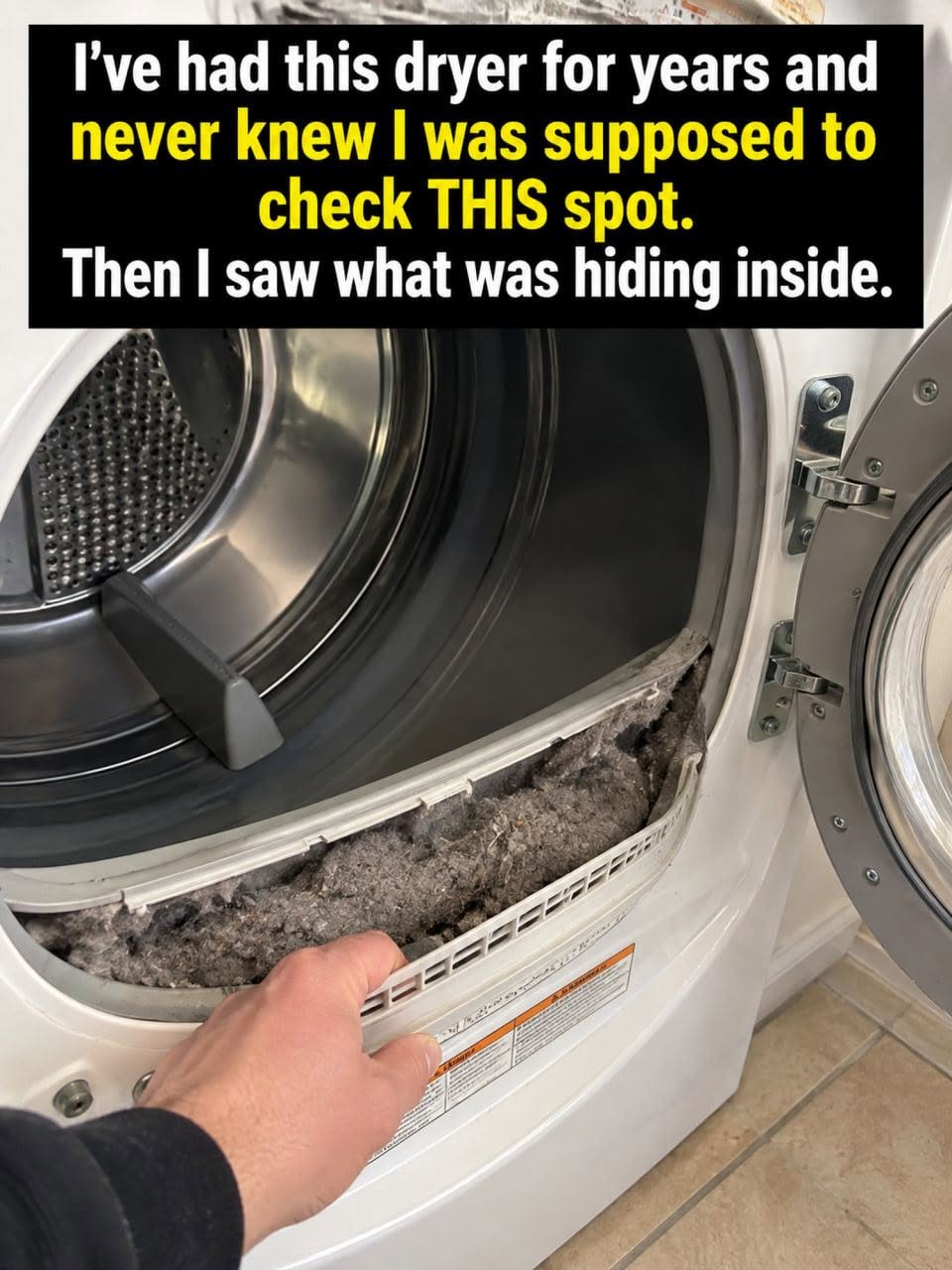
Clean the Lint Screen Regularly
It’s worth returning to the simplest task because it should become automatic.
Check the lint screen according to your dryer’s instructions and don’t allow a thick layer to remain there load after load.
If you share laundry responsibilities with other people in the household, make sure everyone knows where the filter is and how it should be maintained.
A simple routine is much easier than trying to remember who cleaned it last.
What If the Lint Screen Looks Clean but Airflow Is Still Poor?
A clean lint filter doesn’t rule out a problem elsewhere.
If drying performance remains poor, the exhaust path or another component may need attention.
There can also be mechanical causes unrelated to lint.
If basic manufacturer-recommended maintenance doesn’t solve the problem, professional diagnosis is safer than repeatedly operating a dryer that isn’t functioning normally.
Watch for Unusual Heat
A dryer naturally produces heat, so warmth alone isn’t evidence of a problem.
But if the appliance, laundry, or surrounding area seems unusually hot compared with normal operation, stop and investigate rather than assuming it’s harmless.
Consult the owner’s manual for troubleshooting information and discontinue use if the manufacturer recommends doing so.
Pay Attention to Unusual Smells
An unfamiliar burning or overheating odor should never be ignored.
Stop using the appliance and determine the cause safely. If there are signs of smoke or fire, prioritize getting people to safety and contacting emergency services.
Don’t continue running an appliance simply to see whether the smell disappears.
Why DIY Dryer-Vent Cleaning Isn’t Always Simple
Some dryer vents are short and easy to access. Others travel through walls, ceilings, crawl spaces, or long sections of a home before reaching outdoors.
A complicated duct can be difficult to inspect thoroughly without appropriate equipment.
Improper cleaning can also disconnect or damage parts of the exhaust system.
If the route is inaccessible or you’re unsure about its condition, professional service may be the better option.
Different Dryers Require Different Maintenance
Traditional vented dryers, condenser dryers, and heat-pump dryers do not all manage moisture and airflow in the same way.
Some ventless models may have additional filters or maintenance procedures that conventional vented dryers don’t have.
That’s why generic internet advice can become confusing.
The manual for your exact model should be the starting point.
How to Find Your Dryer’s Manual
Look for the model number on the appliance’s identification label. Depending on the dryer, the label may be around the door opening, on the frame, or in another manufacturer-designated location.
Once you have the exact model number, you can usually locate the appropriate owner’s manual through the manufacturer’s official support resources.
This is far safer than following instructions written for a dryer that merely looks similar.
Create a Simple Laundry-Room Maintenance Routine
You don’t need to turn laundry day into an appliance inspection.
Instead, build a few basic checks into your routine.
Clean the lint screen as recommended. Notice whether loads are suddenly taking longer to dry. Keep the surrounding area reasonably clean. Check accessible vent areas according to the manufacturer’s directions.
Small habits make unusual changes easier to notice.
When Should You Call a Professional?
Professional help makes sense when maintenance requires dismantling parts that aren’t intended for consumer access, when the exhaust route is difficult to reach, when a gas connection may be involved, or when the dryer continues behaving abnormally after routine maintenance.
You should also seek help if you discover damaged ducting, unexplained overheating, electrical problems, persistent unusual odors, or another condition you’re not qualified to repair.
Why People Are Surprised When They Finally Look
The dramatic part of lint buildup is that it happens gradually and mostly out of sight.
You may empty the visible filter for years without thinking about where the air goes afterward.
Then one day you inspect an accessible maintenance area or exhaust connection and discover far more lint than expected.
That’s why understanding the complete airflow path is useful.
The Bottom Line
If you’ve always assumed that cleaning the removable lint screen is the only dryer maintenance that matters, it’s worth checking the instructions for your specific appliance.
Lint can accumulate beyond the visible filter, and a vented dryer’s exhaust system also needs to remain unobstructed and properly maintained.
Don’t start dismantling the machine based on a photo online. Different dryers have different user-serviceable components, and some panels should only be opened by qualified technicians.
Instead, identify your exact model, follow its maintenance instructions, keep the lint filter clean, pay attention to changes in drying performance, and have inaccessible or complicated exhaust systems professionally inspected when appropriate.
That little bit of fuzzy material may seem insignificant, but keeping a dryer clean and maintaining proper airflow can make a meaningful difference in both performance and household safety.