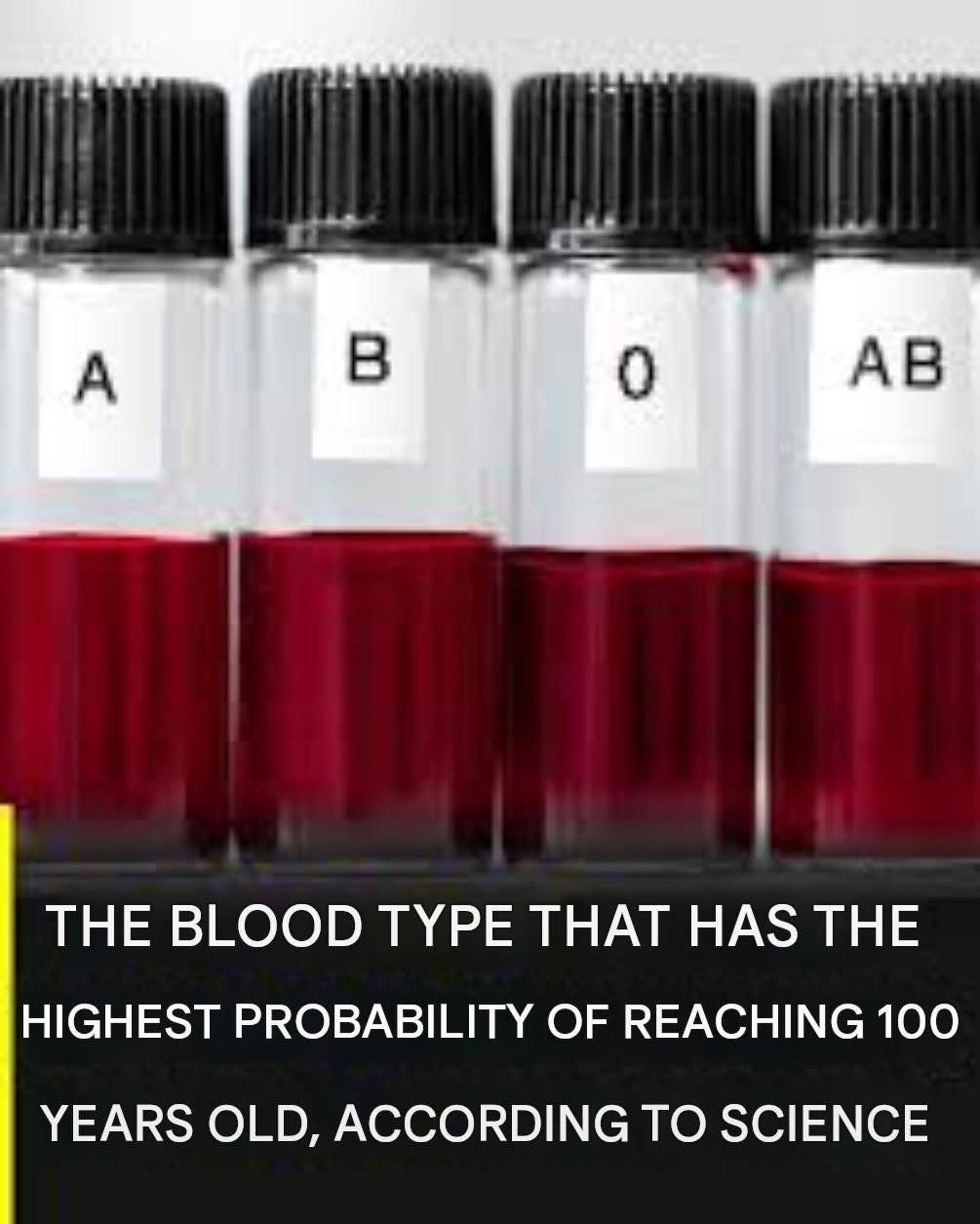
has therefore examined whether certain blood types are associated with differences in susceptibility to particular infections or other illnesses.
These relationships can be real without determining an individual’s overall health or lifespan. A person’s immune response depends on numerous factors, including previous infections, vaccination, genetics, age, nutrition, medications, and underlying health conditions.
The most important question is not simply which blood type you have, but how its small statistical associations fit alongside the many factors that actually influence healthy aging.
Does Blood Type Determine Whether You Will Live to 100?
No. There is currently no reliable evidence that having a particular blood type guarantees that someone will live to 100 years old.
Blood type may be associated with differences in the likelihood of developing certain diseases, but association does not equal destiny. A person with blood type O can still develop cardiovascular disease, while someone with blood type A, B, or AB can live a long and healthy life.
When researchers study centenarians, longevity usually reflects a combination of genetic factors, lifestyle, environment, healthcare, social circumstances, and chance. Blood type