
The microwave is one of those kitchen appliances I honestly can’t imagine living without. It’s a weeknight hero—heating up last night’s spaghetti after soccer practice, melting butter for brownies, even rescuing my Monday morning coffee. But I’ve learned (sometimes the hard way—ask me about the time I nuked fried chicken) that not every meal is meant to go for a spin in the microwave.
Some dishes lose their flavor or turn rubbery, and a few can even become downright unsafe if we’re not careful. And yes, it always seems to be the leftovers I’m most looking forward to that end up ruined (sigh). So before you pop that plate into the microwave, let’s talk about 12 foods you might want to reheat another way—and how to do it right.
How Microwaves Work (And Why Some Foods React Badly)
Let’s get just a smidge geeky for a second, if you’ll humor me. Microwaves heat food using these little things called electromagnetic waves, which get the water molecules in your food all worked up and wiggling. That energy then turns into heat and warms everything up, but here’s the problem: it’s like having a quirky old oven that never seems to bake your cookies evenly. Some spots get piping hot while others stay cold, and that can let all sorts of unwanted bacteria hang around.
Some foods also have tricky proteins and chemicals that just don’t behave well under the quick, uneven heat of the microwave. You might lose nutrients, end up with weird textures, or—yikes—create unsafe compounds. To keep your meals nourishing and delicious (and your belly happy), let’s walk through the worst microwave-offenders and better ways to warm them up.
1. Chicken: Breeding Ground for Bacteria and Rubber-Like Texture
Leftover cooked chicken in a glass container next to a microwave
Chicken and microwaves, friends? They just don’t get along.
My main gripe here is that microwaved chicken heats unevenly, so while one bite might be scalding, another could be lurking in the so-called “danger zone”—between 40°F and 140°F—where bacteria like Salmonella and Campylobacter just love to multiply. Not good!
That’s not all. Chicken’s delicate protein structure actually changes when you reheat it too aggressively, leaving you with dry, rubbery hunks (that nobody wants to chew through after a long day).
Here’s what actually works:
Oven: Stick your chicken in a 350°F oven for 10–15 minutes, checking that it’s warmed all the way through.
Stovetop: A little broth or water in the pan, low heat, and a bit of stirring does wonders for both moisture and flavor.
2. Rice: A Hidden Threat of Bacteria
Bowl of leftover cooked white rice
Rice seems so innocent, but it can be a real troublemaker in the microwave. If it’s sat out at room temperature, it can play host to a tricky little germ called Bacillus cereus. This guy is a tough one—its toxins aren’t killed off by microwaving, and they can cause some pretty harsh food poisoning.
How to play it safe:
Stovetop: Add a splash or two of water and gently stir over medium heat until steaming hot.
Oven: Place in a dish, cover with foil, and bake at 300°F for 15 minutes. It comes out fluffy—not desert-dry.
3. Potatoes: A Botulism Risk
Baked potatoes wrapped in aluminium foil
Potatoes, when cooked and left wrapped in foil (especially at room temperature), can allow a nasty bacteria called Clostridium botulinum to thrive. That’s the villain responsible for botulism—serious stuff you really don’t want to mess with.
The microwave just doesn’t get the job done to kill off these toxins, especially if your potato isn’t heated evenly through.
Your potato’s best second life:
Oven: Slice, arrange on a sheet pan, and pop into a 350°F oven for about 15 minutes. Crisps up beautifully.
Stovetop: If you want something quick and delightful, sauté those leftovers in butter or olive oil until golden and crisp. Trust me, you’ll thank me later.
4. Mushrooms: Nutrient Loss & Digestive Concerns
Leftover sautéed mushrooms in a bowl
Mushrooms are so good for us, but they’re surprisingly delicate. Their proteins and other compounds can take a beating from microwave reheating, which not only zaps some of their nutrients but can also make them tough on your tummy afterwards.
Treat them gently:
Stovetop: Low heat and a pat of butter are your best friends. Sauté gently for wonderful results (and an amazing aroma wafting through the house).
5. Eggs: A Possible Explosion Hazard
Hard-boiled eggs in their shells in a bowl
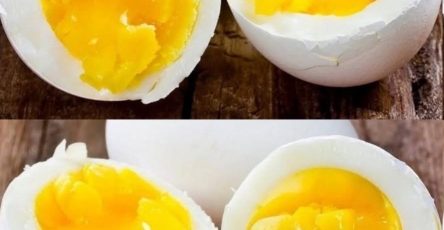
I have to admit, there’s nothing quite as surprising (or messy) as a hard-boiled egg popping in the microwave. What happens is, steam builds up inside the egg—especially if it’s still in its shell—and turns your lunch into a little grenade. Not fun!
Even scrambled or poached eggs can turn rubbery and lose their fluffy goodness when microwaved.
Try this instead:
Stovetop: A low flame and gentle stirring is key to warming scrambled eggs without turning them into rubber balls.
Eat Cold: Hard-boiled eggs are honestly delicious right from the fridge, maybe topped with a sprinkle of salt and pepper.
6. Breast Milk: Destroy Nutrients and Cause Hot Spots
Baby bottle of milk warming in a bowl of warm water
This is especially important if you’ve got a little one at home. Microwaving breast milk can destroy the precious antibodies and nutrients babies need. Plus, uneven heating can create hot pockets in the milk, which could burn a baby’s mouth.
Best method:
Warm Water Bath: Just place the bottle in a bowl of warm water or use a bottle warmer. It’s gentler and much, much safer.
7. Seafood: The Smell and Bacteria Overpower
Leftover shrimp and fish fillet in a container
Once in a while, we all bring home leftover shrimp or tilapia from a nice dinner out. Resist the urge to microwave it! The rapid, uneven heat makes seafood smell (ahem) way stronger, and the beautiful texture can end up rubbery or oddly chewy.
Also, seafood can harbor bacteria if it’s not warmed all the way through—so cold spots are a real risk.
Make it just right by:
Oven: Set to 275°F and heat for 10 minutes. Low and slow is the way to go.
Stovetop: Warm over a gentle heat with a pat of butter for something truly special.
8. Processed Meats: Chemical Reactions That Are Harmful
Hot dogs, bacon and sausages on a plate
Here’s where things get science-y again! When you microwave things like hot dogs, bacon, or sausage, the preservatives (nitrates and nitrites) can break down into nitrosamines—nasty little compounds that are linked to cancer. Not something we want in tonight’s dinner.
Far better options:
Oven or Skillet: Bake at 325°F or just brown them in a pan—so much tastier and safer.
9. Leafy Greens: Nitrate Conversion Risks
Bowl of cooked spinach and kale leftovers
Believe it or not, nice green veggies like spinach, kale, or celery can produce potentially harmful compounds (nitrosamines—that cancer link again) if reheated in the microwave at high heat. Hard to believe, right?