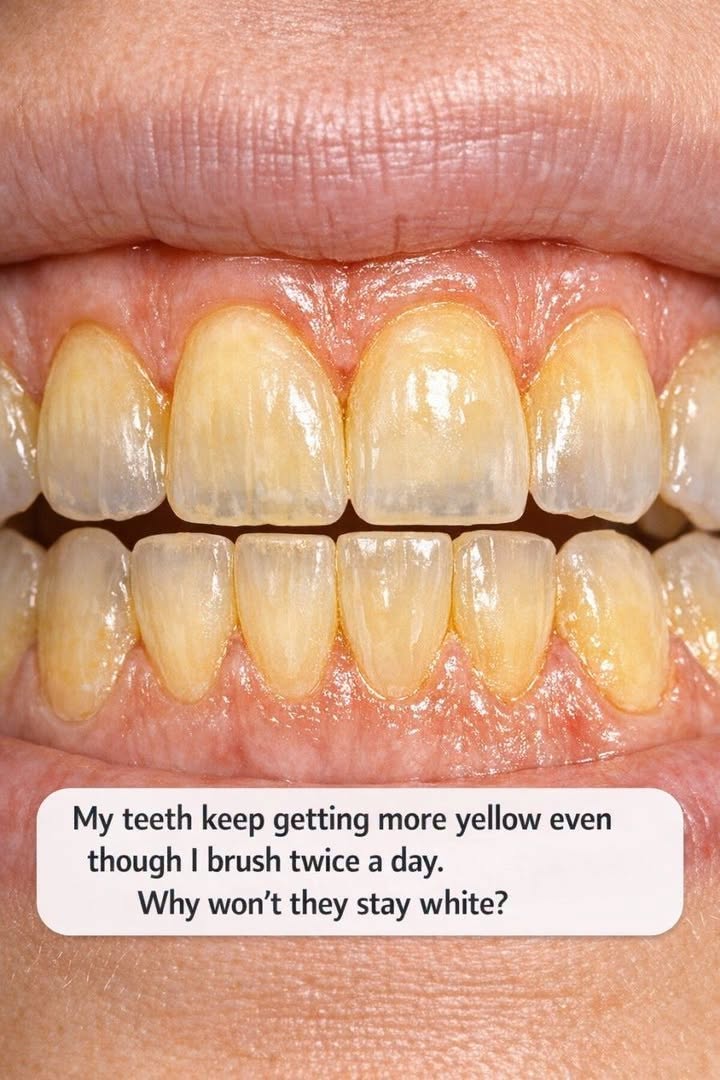
help you choose a safer and more effective approach. 1. Your Natural Tooth Color May Not Be Bright White Healthy teeth are not naturally pure white for everyone. Enamel is partly translucent, which means the naturally yellowish dentin underneath can contribute to the overall color of your teeth. Genetics also influence enamel thickness, dentin color, and the natural appearance of your smile. So, having slightly yellow or off-white teeth does not necessarily mean your teeth are unhealthy. 2. Enamel Can Become Thinner Over Time As enamel wears down, the yellowish

making teeth appear brighter.


However, they generally cannot change the natural color of the dentin underneath the enamel in the same way that professional bleaching treatments can.

If your teeth are sensitive or you are concerned about enamel wear, ask your dentist which toothpaste is appropriate for you.

8. Be Careful With DIY Whitening Hacks


Social media is full of homemade whitening tricks involving lemon juice, vinegar, baking soda, or other household ingredients.

These methods are not a good substitute for professionally recommended whitening.

Acidic ingredients can contribute to enamel

Leave a Reply

Your email address will not be published. Required fields are marked *