

3. Your Skin May Look Healthier
Collagen production declines with age, leading to wrinkles, sagging, and dryness.
What the science says: Purslane is rich in vitamin C (essential for collagen production), vitamin A (supports skin cell turnover), and antioxidants that protect skin from UV damage. Some studies suggest that purslane extract can improve skin hydration and elasticity.
What you may notice: Brighter, more hydrated skin. Reduced dryness. Possibly fewer fine lines over time.
4. Your Sleep May Improve
Melatonin production naturally declines with age, leading to poorer sleep quality.
What the science says: Purslane contains melatonin, the hormone that regulates sleep-wake cycles. While the amount is modest, regular consumption of melatonin-rich foods may support natural sleep rhythms.
What you may notice: Easier time falling asleep. More restful sleep. Less nighttime waking.
5. Your Digestion May Improve
Digestive issues (constipation, bloating, indigestion) become more common with age.
What the science says: Purslane is a good source of fiber and contains mucilage (a gelatinous substance that soothes the digestive tract). In traditional medicine, purslane has been used to treat diarrhea, dysentery, and intestinal inflammation.
What you may notice: More regular bowel movements. Less bloating. Reduced digestive discomfort.
6. Your Blood Sugar May Stabilize
Insulin resistance and blood sugar dysregulation increase with age.
What the science says: Some studies have shown that purslane extract can reduce blood sugar and improve insulin sensitivity, likely due to its polysaccharides and antioxidant compounds. The fiber content also helps slow glucose absorption.
What you may notice: Fewer energy crashes. Reduced cravings for sweets. More stable energy levels throughout the day.
7. Your Immune Function May Strengthen
The immune system naturally weakens with age (immunosenescence).
What the science says: Purslane is rich in vitamin C, zinc, and antioxidants—all essential for immune function. The anti-inflammatory compounds may also help prevent chronic low-grade inflammation that impairs immunity.
What you may notice: Fewer colds and infections. Faster recovery when you do get sick.
How to Eat Purslane Every Day (Practical Tips)
Let me give you real, easy ways to incorporate purslane into your daily diet.
Raw (The Simplest)
Add to salads: Use purslane as you would lettuce or spinach. The lemony flavor pairs well with tomatoes, cucumbers, and feta.
Blend into smoothies: Add a handful to your morning smoothie. The taste is mild and easily masked by fruit.
Eat as a snack: A handful of raw purslane is refreshing and hydrating.
Cooked
Sauté with garlic: Heat olive oil, add garlic, add purslane. Cook for 2-3 minutes until wilted. Season with salt and pepper.
Add to soups and stews: Purslane holds up well in broth-based soups.
Steam like spinach: Serve as a side dish with lemon and butter.
Pickled
Quick pickle: Combine vinegar, water, salt, sugar, and spices (dill, peppercorns, garlic). Pour over purslane. Refrigerate for 24 hours. Enjoy as a condiment.
As a Garnish
Top eggs, fish, or chicken: Fresh purslane adds a bright, lemony note.
How to Grow and Harvest Purslane
The best part about purslane is that it’s incredibly easy to grow (or find).
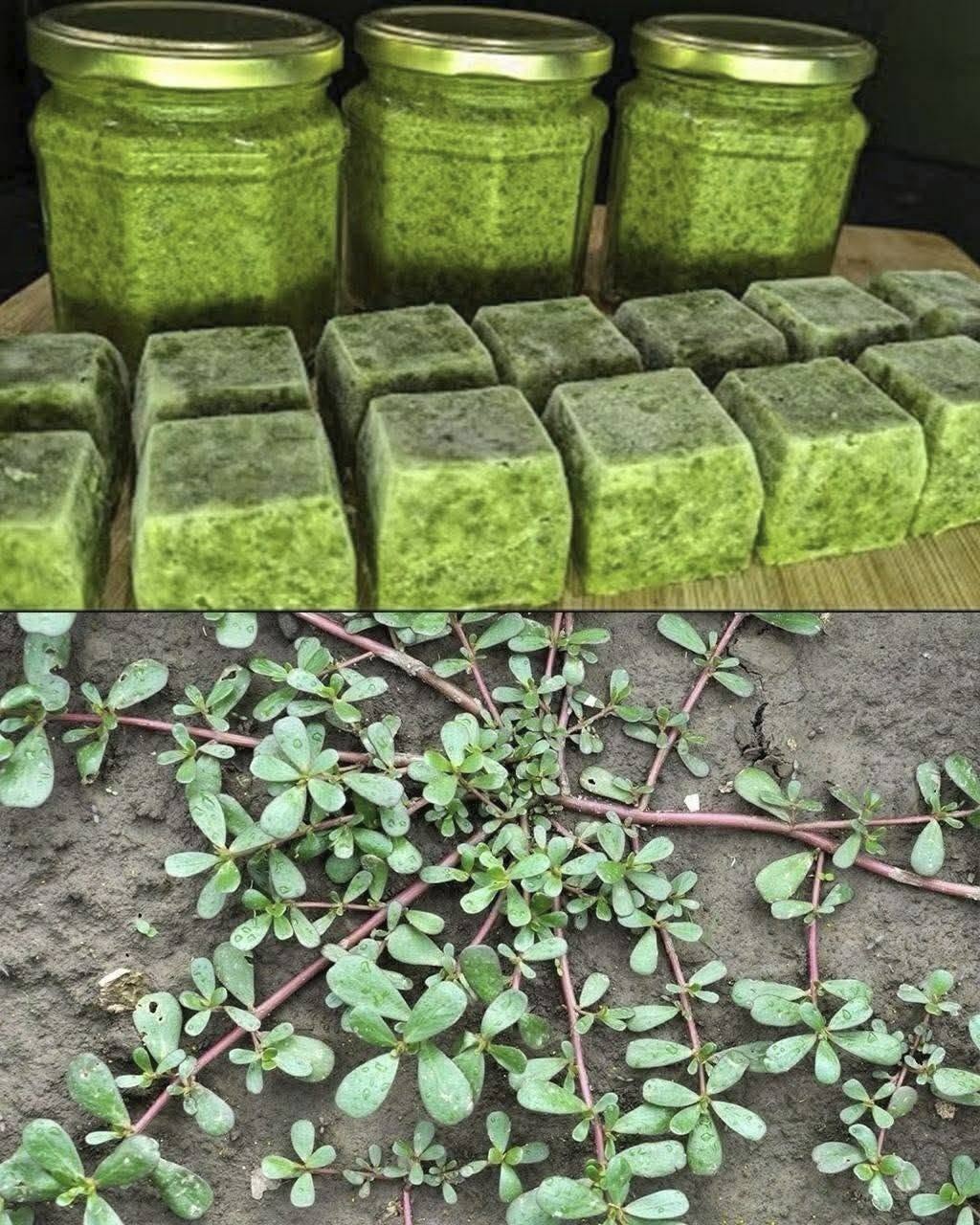
Foraging: Purslane grows in gardens, lawns, and sidewalk cracks. Identify carefully (it’s easy to distinguish by its fleshy leaves and red stems). Avoid areas that may have been sprayed with pesticides or herbicides.
Growing from seed: Plant purslane seeds in spring after the last frost. It thrives in poor soil, heat, and drought. Harvest leaves and stems when young and tender.
Harvesting: Cut the top 4-6 inches of stems. Purslane regrows quickly. You can harvest multiple times per season.
Storage: Store fresh purslane in the refrigerator for up to a week. Wash just before using.
Potential Concerns (What to Watch For)
High in oxalates: Purslane contains oxalates, which can contribute to kidney stones in susceptible people. If you have a history of calcium oxalate kidney stones, limit your intake.
Blood sugar medication: If you take diabetes medication, monitor your blood sugar closely when adding purslane to your diet. The blood-sugar-lowering effect could theoretically cause hypoglycemia when combined with medication.
Blood pressure medication: Purslane’s potassium content could theoretically interact with blood pressure medications (especially potassium-sparing diuretics). Talk to your doctor.
Pesticides: If you’re foraging purslane from lawns or gardens, ensure the area hasn’t been sprayed with pesticides or herbicides. Better to grow your own or buy from a trusted source.
Allergies: Rare, but possible. Start with a small amount.
Frequently Asked Questions
Is purslane safe to eat raw?
Yes. Wash it thoroughly. Eat raw in salads or smoothies.
Can I eat purslane every day?
Yes. For most people, a handful (1-2 cups) daily is safe and beneficial.
Does purslane taste good?
It has a mild, lemony, slightly salty flavor. Many people enjoy it raw. If you don’t like the taste, try cooking it (which mellows the flavor).
Is purslane the same as portulaca?
Yes. Purslane is Portulaca oleracea. Ornamental portulaca (moss rose) is a different species (Portulaca grandiflora) and is not edible.
For Complete Cooking STEPS Please Head On Over To Next Page Or Open button (>) and don’t forget to SHARE with your Facebook friends