
Engaging Introduction
Purslane (Portulaca oleracea)—often dismissed as a garden weed—is actually one of nature’s most nutrient-dense greens, especially valuable for adults over 60. This succulent, lemony-tasting plant is packed with antioxidants, omega-3s, and minerals that support aging bodies in profound ways.
I first encountered purslane not at a farmer’s market or a health food store, but in my own backyard. I was weeding my garden, about to toss a strange, fleshy, low-growing plant into the compost bin, when a neighbor stopped me.
“Don’t throw that away!” she said. “That’s purslane. It’s edible. And it’s incredibly good for you, especially at our age.”
I looked down at the “weed” in my hand. It had thick, reddish stems and small, paddle-shaped green leaves. I was skeptical. But she was 70, vibrant, and clearly knew things I didn’t.
I took a bite. It was crisp, juicy, and slightly lemony. Not at all what I expected.
Now, purslane is a regular part of my diet. I add it to salads, toss it into smoothies, and even sauté it with garlic. And I’ve noticed real changes in my energy, digestion, and joint comfort.
Let me show you why this humble “weed” might be one of the most valuable plants in your garden—especially if you’re over 60.
First, What Is Purslane?
Purslane is a succulent annual plant that grows low to the ground, often in gardens, lawns, and sidewalk cracks. It’s found worldwide and has been used as a food and medicine for thousands of years.
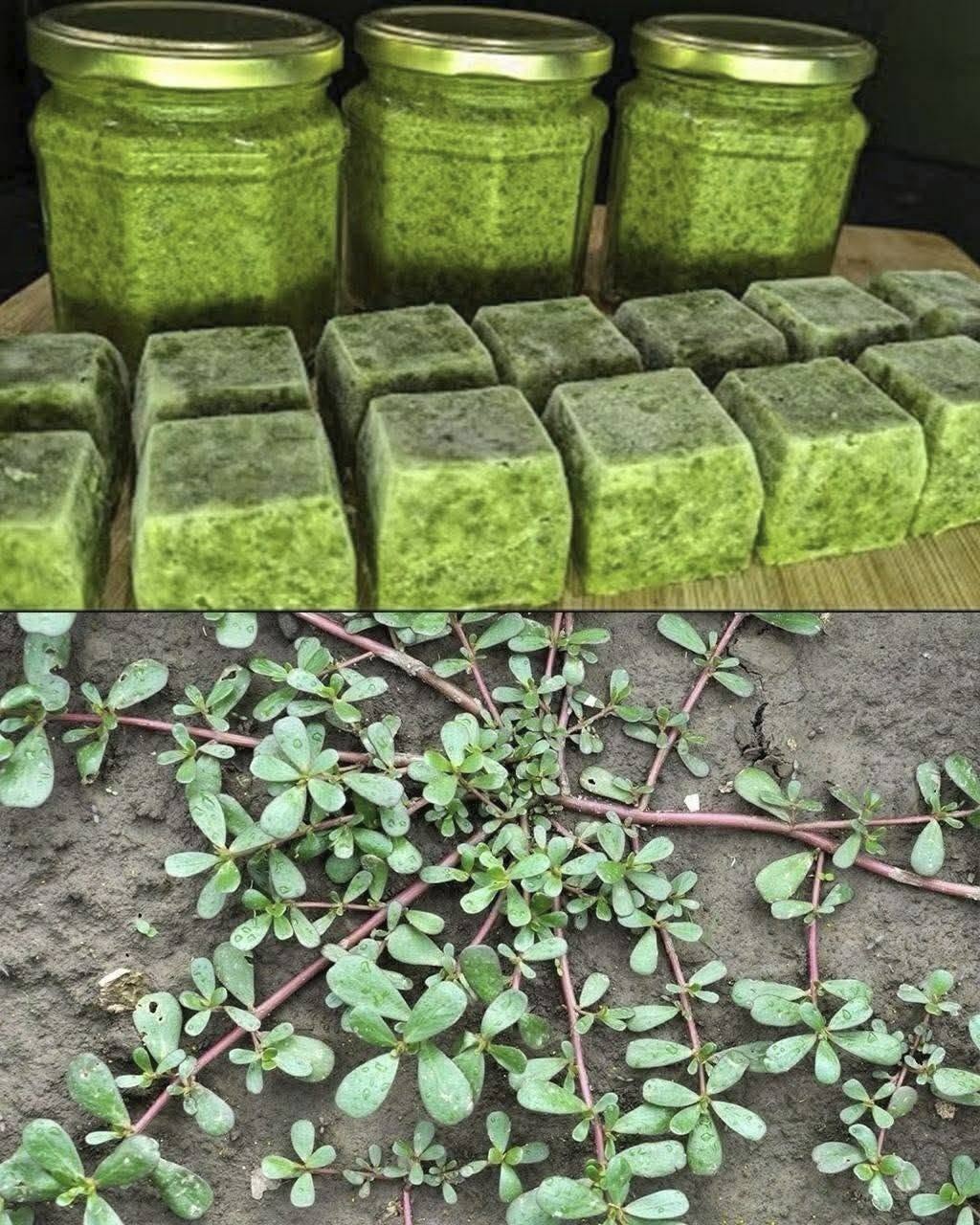
Appearance: Thick, reddish stems. Small, fleshy, paddle-shaped green leaves. Tiny yellow flowers.
Taste: Slightly sour, lemony, salty, and peppery. The texture is crisp and juicy (like a cross between a cucumber and a succulent).
Growing conditions: Purslane thrives in poor soil, heat, and drought. It’s considered a weed by many—but a treasure by those who know its value.
Culinary uses: Raw in salads, blended into smoothies, cooked like spinach, pickled, or added to soups and stews.
History: Purslane has been used in traditional Chinese medicine, Ayurvedic medicine, and ancient Greek and Roman cuisine. It’s mentioned in the writings of Pliny the Elder and was cultivated in Europe as a garden vegetable.
The Nutritional Profile (What’s Actually in Purslane)
For Complete Cooking STEPS Please Head On Over To Next Page Or Open button (>) and don’t forget to SHARE with your Facebook friends