
⚠️ Important Safety Considerations
Even diluted clove water can pose problems.
Potential Risks
Risk Why It Matters
❗ Skin Irritation or Burns Eugenol is a known irritant. Whole cloves release this compound when heated. Sensitive tissues may become red, itchy, or painful.
❗ Disruption of Natural pH & Flora The vagina thrives at a slightly acidic pH (3.8–4.5). Herbal infusions can disrupt the microbiome, reducing protective Lactobacillus.
❗ Heightened Sensitivity Eugenol can increase nerve activity, causing stinging or burning for some users.
❗ Not Safe During Active Infections Using herbs when dealing with BV, yeast infections, or STIs can worsen irritation and delay proper treatment.
🚫 Never add clove essential oil to a sitz bath.
It’s far too concentrated and can cause chemical burns.
✅ How to Prepare a Gentle, Low-Risk Herbal Sitz Bath (If You Choose To Try One)
If you’re curious about using an herbal soak, it’s crucial to choose the safest approach possible — or opt for simpler alternatives.
1. The Safest Option: Plain Warm Water
This is the method most OB-GYNs recommend.
Fill a clean basin or bathtub with 6–8 inches of warm (not hot) water.
Soak for 10–15 minutes.
Pat the area dry gently with a clean towel.
💧 Warm water alone often provides all the comfort you need.
2. Optional: Extremely Mild Clove-Infused Water (Use With Caution)
Only consider this if:
You have no ongoing infections
You have no open cuts or stitches
You have no known allergies to spices or herbs
You prefer a very subtle, traditional herbal soak
Ingredients:
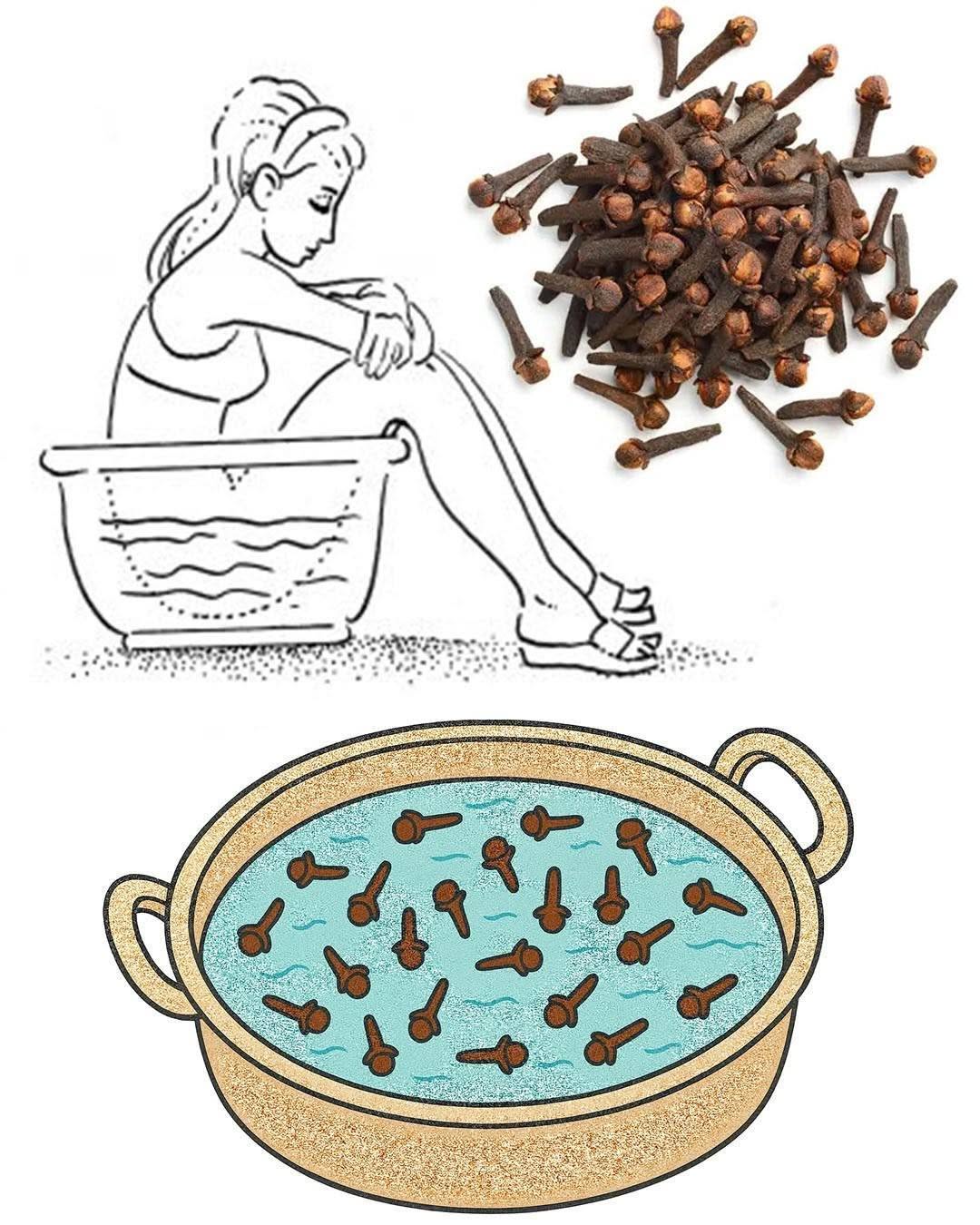
1 cup boiling water
1 whole clove (avoid ground cloves or oils)
2 cups lukewarm water
Instructions:
Steep the clove in boiling water for 10 minutes.
Strain completely — no particles should remain.
Dilute with 2 cups lukewarm water.
Test the mixture on the inside of your forearm.
If no irritation occurs, use only once for a short soak.
Continue Reading 👇 Next Page