fats (including monounsaturated fats, similar to those in olive oil)
Dietary fiber (helps digestion and supports gut health)
Plant protein (good for vegetarians and vegans)
Vitamins such as Vitamin E and Vitamin C
Minerals like magnesium, phosphorus, potassium, and iron
Natural sugars for quick energy
Resistant starch that can help regulate blood sugar
Health Benefits of Yellow Nutsedge
- Supports Digestive Health
The high fiber content helps regulate bowel movements, prevent constipation, and promote the growth of beneficial gut bacteria. - Good for Heart Health
The monounsaturated fats can help reduce “bad” LDL cholesterol and support healthy blood pressure. - Natural Energy Booster
The mix of healthy fats, natural sugars, and carbohydrates gives steady, long-lasting energy without caffeine. - Helps Manage Blood Sugar
Resistant starch slows down sugar absorption, which can help balance blood sugar levels. - Supports Weight Management
The fiber makes you feel full for longer, helping to control appetite. - Rich in Antioxidants
-
- Vitamin E and other plant compounds protect cells from oxidative stress and support healthy aging.
- Good for Bone and Muscle Function
Minerals like magnesium and potassium support strong bones, nerve function, and muscle performance. - May Support Fertility
In some African traditions, tiger nuts are eaten to boost libido and reproductive health. - Naturally Lactose-Free Milk Alternative
Tiger nut milk (horchata de chufa) is a creamy, dairy-free drink suitable for people with lactose intolerance. - Supports Skin Health
Vitamin E helps maintain skin elasticity, moisture, and protection against environmental damage.

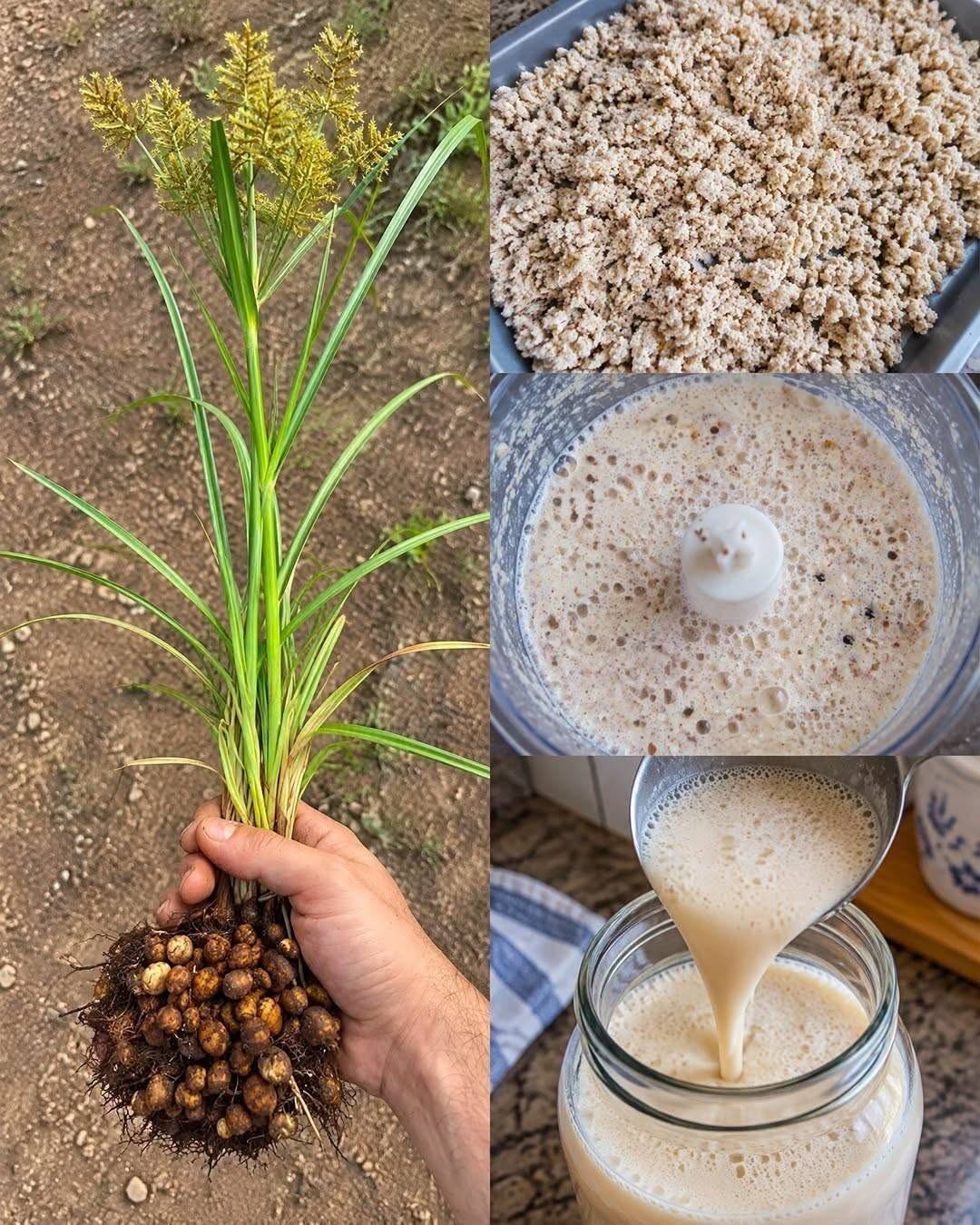
tiger nuts cyperus esculentus tubers
Traditional and Medicinal Uses
In folk medicine, Cyperus esculentus tubers have been used for:Treating diarrhea and digestive discomfort
Easing flatulence and bloating
Acting as a mild diuretic to support kidney health
Soothing coughs when combined with honey in traditional remedies
(These uses come from traditional practices; modern medical research is still ongoing, so consult a healthcare provider - Vitamin E and other plant compounds protect cells from oxidative stress and support healthy aging.
- before using for treatment.)
Culinary Uses
- Eating Fresh or Dried Tubers
You can eat them raw (chewy and sweet), roasted (crunchy and nutty), or dried (for long-term storage). - Making Tiger Nut Milk
A popular drink in Spain called horchata de chufa is made by soaking, blending, and straining the tubers.
It’s sweet, creamy, and refreshing. - Baking and Cooking
Tiger nut flour can be used for gluten-free baking, adding a sweet, nutty flavor to bread, cookies, and cakes. - Oil Extraction
Tiger nut oil is light, stable for cooking, and has a pleasant nutty taste. It’s also used in cosmetics.
Gardening and Agricultural Uses
While farmers often battle yellow nutsedge as a weed, the plant itself is very hardy and drought-resistant. In controlled farming:Grown as a food crop in Africa, Spain, and parts of the Middle East.
Used for soil stabilization because of its dense root system.
Attracts pollinators when in - Eating Fresh or Dried Tubers
bloom, supporting biodiversity.
Other Practical Uses
Cosmetic Products: Tiger nut oil is used in skin creams and hair oils for its moisturizing properties.
Animal Feed: Tubers can be a supplementary feed for pigs and poultry in some areas.
Survival Food: Easy to find and harvest in the wild, providing nutrition when other food is scarce.
How to Collect and Use Yellow Nutsedge
Identification: Look for grass-like leaves with a triangular stem and clusters of yellow-brown seed heads.
Harvesting Tubers: Pull up the plant and dig around the roots to find small, marble-sized tubers.
Cleaning: Wash thoroughly to remove soil and grit.
Consumption:
Eat raw or roasted.
Soak before eating for softer texture.
Grind into flour or blend into milk.
Storage: Keep fresh in the fridge for short-term use or dry for long-term storage.
Cautions and Considerations
Allergies: Rare, but possible. Try small amounts if it’s your first time eating them.