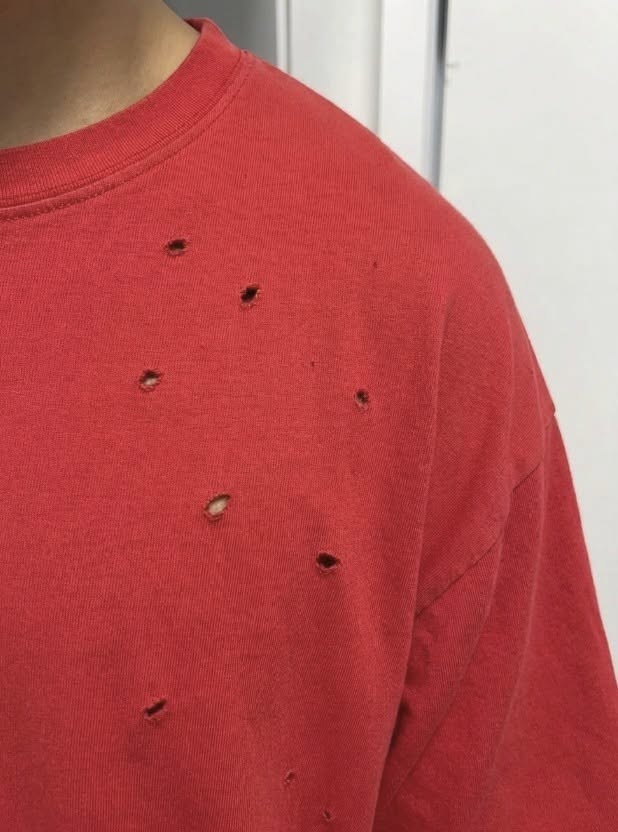
Simple Laundry Habits That Can Help
Turn delicate garments inside out.
Close zippers before washing.
Fasten hooks and other closures.
Place delicate items in mesh laundry bags.
Avoid cramming too many clothes into one load.
Separate fragile fabrics from garments with rough hardware.
If the problem continues, carefully inspect accessible parts of the washer drum for rough or damaged areas. Any faulty component should be repaired rather than ignored.
3. The Dryer May Be Adding Extra Wear
Dryers can also contribute to clothing damage.
Heat, tumbling, and repeated drying cycles gradually put stress on fabric. Some materials are more sensitive to high temperatures than others.
You don’t necessarily have to stop using your dryer. Instead, follow the garment’s care label and choose a lower or gentler setting when appropriate.
For especially delicate pieces, air-drying can reduce unnecessary heat and mechanical stress.
4. Zippers, Hooks, and Other Fasteners
Sometimes the culprit is another item of clothing.
A zipper can catch on a shirt and pull at the fabric. Hooks, metal buttons, Velcro, and other fasteners can create similar problems.
A Simple Fix
Before starting a load:
Zip up zippers.
Fasten hooks.
Turn delicate garments inside out.
Use laundry bags for fragile items.
Keep delicate clothing away from garments with sharp or rough hardware when possible.
Those few extra seconds of preparation can prevent a lot of unnecessary wear.
5. Moths and Other Fabric Pests
Moths can damage clothing, but they aren’t responsible for every tiny hole.
Clothes moth larvae can feed on natural animal fibers, including wool and other susceptible materials. If you suspect fabric pests, look for additional signs rather than focusing on a single hole.
Possible clues include:
Several irregular holes
Damage to clothing that has been stored
Shed larval skins
Webbing or debris
Damage to wool, cashmere, fur, or similar materials
Activity in dark, rarely disturbed storage areas
If you find several of these signs, inspect your closets and storage spaces carefully.
6. Carpet Beetles
Carpet beetle larvae are another possible source of textile damage.
They can feed on natural fibers and may be found in closets, beneath furniture, or around areas where lint, hair, and other organic material collect.
Regular cleaning and vacuuming can help reduce the material these larvae feed on.
If holes continue appearing despite changing your laundry habits, don’t forget to inspect the areas where your clothes are stored.
7. Rough Furniture and Household Surfaces
Sometimes the problem is hiding in plain sight.
A rough chair edge, exposed screw, damaged desk, countertop corner, backpack strap, or other sharp surface can snag clothing without you noticing.
If your clothes repeatedly develop holes in the same location, consider what that particular part of the garment comes into contact with during the day.
The position of the hole can be one of your best clues.