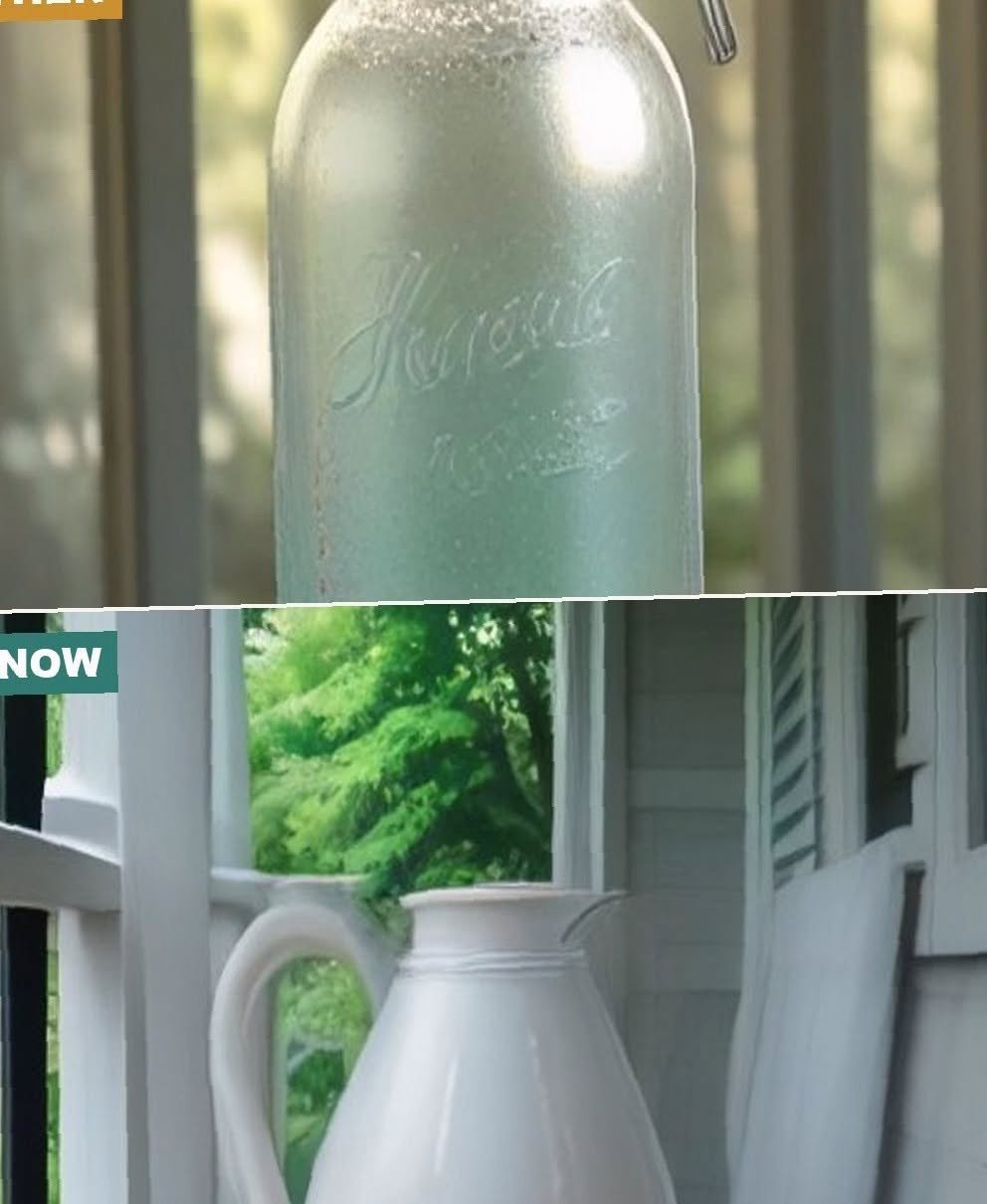
supermarket trip could replace daily doorstep service, letting one stop cover milk, bread, and everything else at once. Add in the lower cost of manufacturing disposable paper cartons and later plastic jugs — no washing, no sterilizing, no return trips — and the economics simply stopped favoring reusable glass. Dairies consolidated into larger regional operations to compete on price, and door-to-door routes quietly disappeared over a couple of decades rather than all at once.
So Which One Actually Tasted Better?
This is the part people actually argue about, and there’s a real answer buried in the nostalgia. Glass is non-reactive and completely non-porous, so it never carries even a faint trace of flavor from one use to the next, and many people who grew up on it insist that’s exactly why it tasted “cleaner.” Plastic jugs are perfectly safe and don’t meaningfully affect flavor either, but the bigger factor was probably freshness and timing: delivery milk often traveled a short distance from a local dairy and reached the porch within a day or two of being bottled, while store milk today travels farther and sits in distribution before it ever reaches a shelf. Shorter time from cow to cup, more than the container itself, is likely what