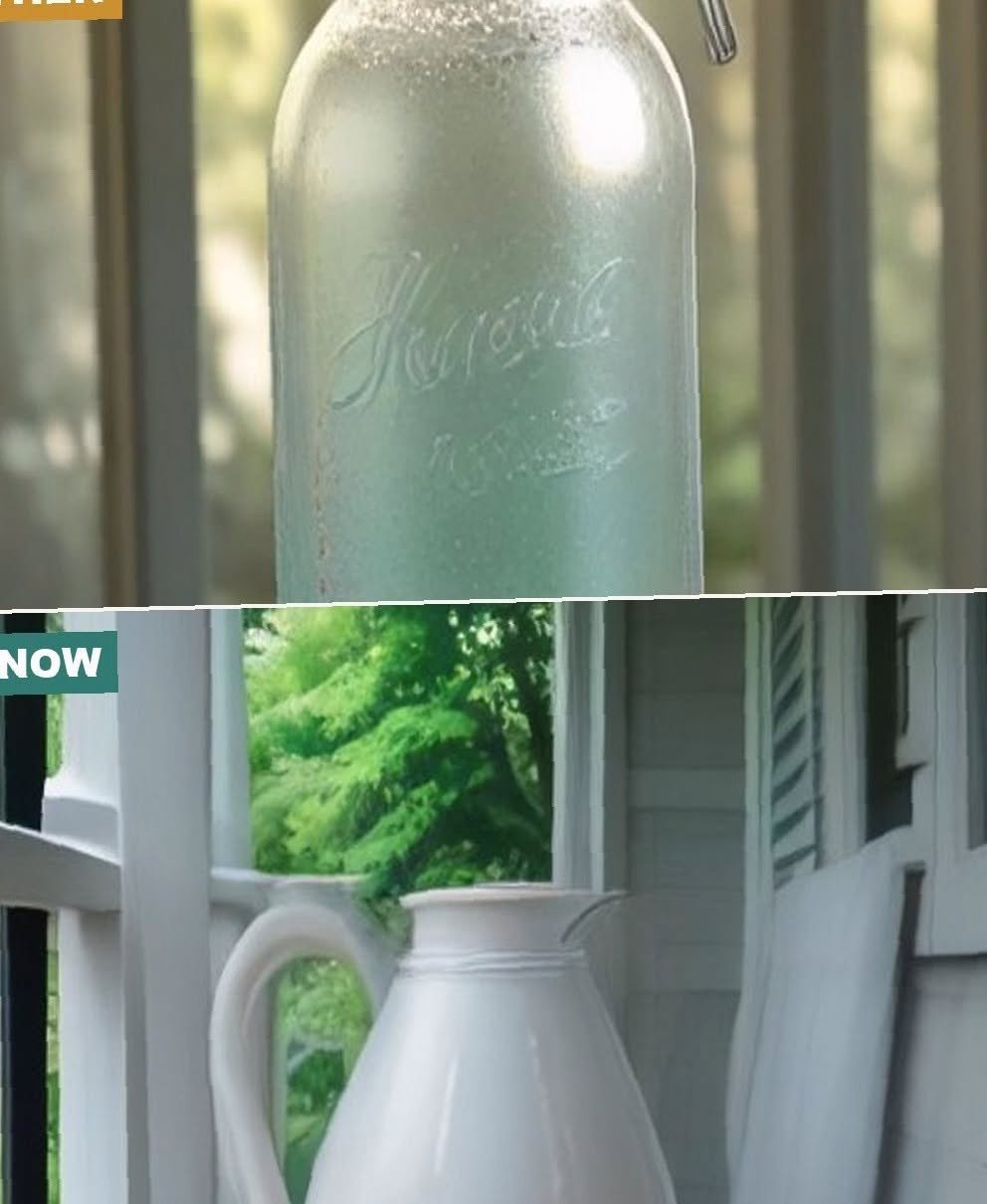
would collect, wash, sterilize, and refill the same bottles thousands of times over their lifespan, which made sense when the dairy, the delivery route, and the customers were all within a few miles of each other. It only worked at that scale, with a short supply chain and a workforce built specifically around door-to-door routes.
Why the Model Quietly Fell Apart
The glass bottle didn’t lose to a better product, it lost to a more convenient system. Two household changes did most of the damage. First, home refrigerators got bigger and far more reliable through the 1950s and 60s, so families no longer needed milk topped off daily just to keep it from spoiling. Second, widespread car ownership meant a weekly