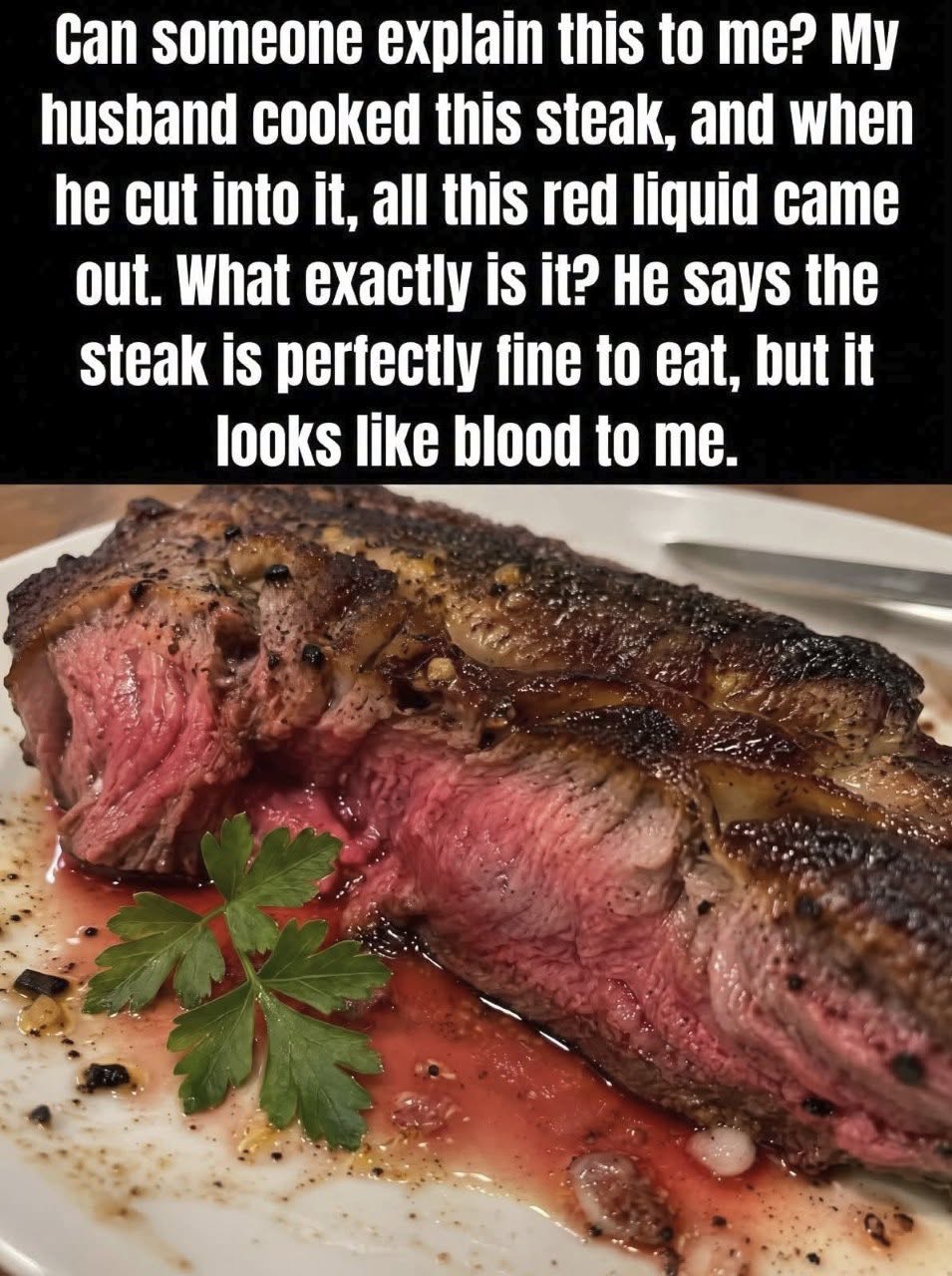
Meat naturally contains water.
During processing, packaging, refrigeration, and storage, some of that water can move out of the muscle fibers.
As the meat sits in the package, the liquid collects at the bottom.
Several factors can influence how much you see.
The Cut of Meat
Different cuts contain different amounts of water and fat and have different muscle structures.
Packaging
Modern meat packaging is designed to protect the product while allowing some liquid to collect inside the package rather than leak onto other foods.
Temperature
Changes in temperature during storage can affect how much moisture moves out of the meat.
Storage Time
The longer meat sits packaged, the more opportunity there may be for some moisture to separate from the muscle.
Processing Methods
Some commercially prepared meats may retain more moisture because of how they were processed.
Is Red Liquid a Sign That the Meat Is Spoiled?
Not by itself.
The presence of reddish liquid in a meat package does not automatically mean the meat has gone bad.
Instead, look at several factors together.
Pay attention to:
The use-by or sell-by information provided on the package
Whether the meat has been kept properly refrigerated
The smell
The surface texture
The overall appearance
Whether the package is damaged or leaking
A color change alone isn’t always enough to determine whether meat is safe.
What Does Spoiled Beef Smell Like?
Fresh beef can have a mild, characteristic meat smell.
Spoiled meat may develop an unpleasant, sour, or distinctly offensive odor.
If the meat smells wrong, don’t try to disguise the odor with seasoning or cooking.
When in doubt, discard it.
And remember: harmful bacteria aren’t necessarily detectable by smell, sight, or taste, so proper storage and cooking practices remain important even when meat appears normal.
What About Brown Meat?
This is another common source of confusion.
You may open a package and notice that parts of the beef look brown or darker than the bright-red exterior.
That doesn’t automatically mean the meat is spoiled.
Color can change as myoglobin reacts with oxygen.
Meat that has had limited oxygen exposure can look darker or purplish, while oxygen exposure can produce a brighter red color.
As meat ages and the pigment undergoes further chemical changes, brown coloring can develop.
Color should therefore be considered along with storage history, packaging dates, odor, and texture—not used as the only test.
For Complete Cooking STEPS Please Head On Over To Next Page Or Open button (>) and don’t forget to SHARE with your Facebook friends