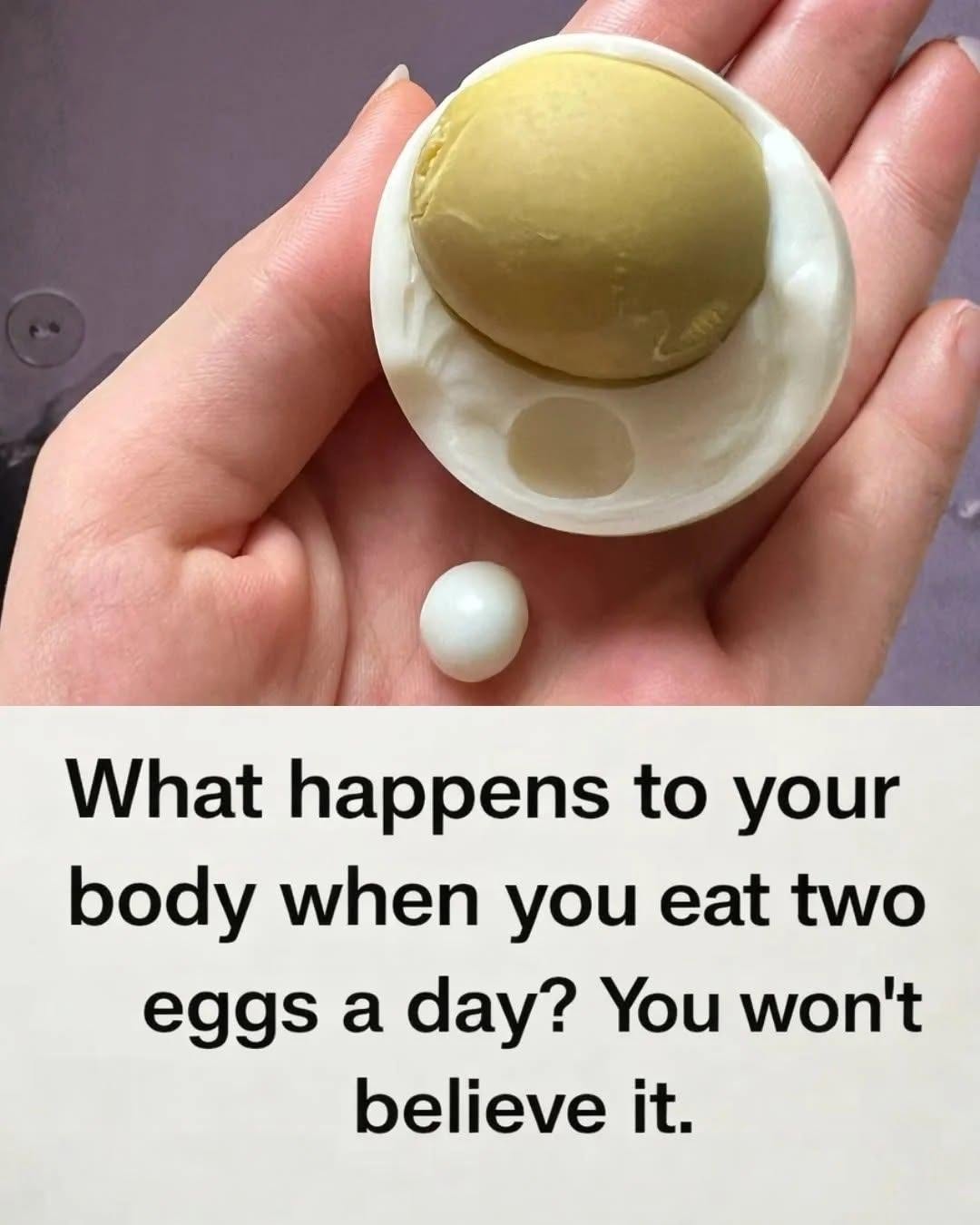
What Happens to Your Body When You Eat Two Eggs a Day? The Surprising Truth
Eggs have long been one of the most debated foods in nutrition. Some people consider them a “superfood,” while others worry about cholesterol and heart health. But modern research is revealing a more balanced picture.
So what actually happens if you eat two eggs a day? The results may surprise you. From improving brain function to supporting heart health, eggs can offer powerful benefits when eaten as part of a balanced diet.
Let’s explore what
science says about eating two eggs daily.
-
- Your Body Gets a Powerful Dose of High-Quality Protein
One of the biggest benefits of eggs is their complete protein content. A single egg contains about 6–7 grams of high-quality protein, meaning it provides all nine essential amino acids your body needs.
Protein plays several important roles:
Building and repairing muscle
Supporting
immune functionMaintaining healthy skin, hair, and nails
Helping the body produce hormones and enzymes
Eating two eggs a day gives your body roughly 12–14 grams of protein, making them an
excellent breakfast option for sustained energy. Research also suggests spreading protein intake throughout the day can help support muscle growth and recovery.
-
- You May Feel Fuller and Eat Fewer Calories
Eggs are well known for their ability to increase satiety.
- You May Feel Fuller and Eat Fewer Calories
Studies show that people who eat eggs—especially at breakfast—often feel less hungry throughout the day, which can reduce overall calorie intake.
This happens because:
Eggs contain protein and healthy fats.
They slow digestion.
They help regulate hunger hormones like ghrelin.
For people trying to lose weight or control cravings, eating
two eggs in the morning can be a simple but effective strategy.
- Your Brain May Work Better
Eggs are one of the richest dietary sources of choline,
a nutrient that many people do not get enough of.Choline is essential for:
Memory and learning
Nervous system health
Production of acetylcholine (a neurotransmitter)
Some research suggests that regular egg consumption may even help reduce the risk of cognitive decline or dementia later in life.
Because the yolk contains most of the choline, eating whole eggs rather than just egg whites provides
the greatest brain benefits.