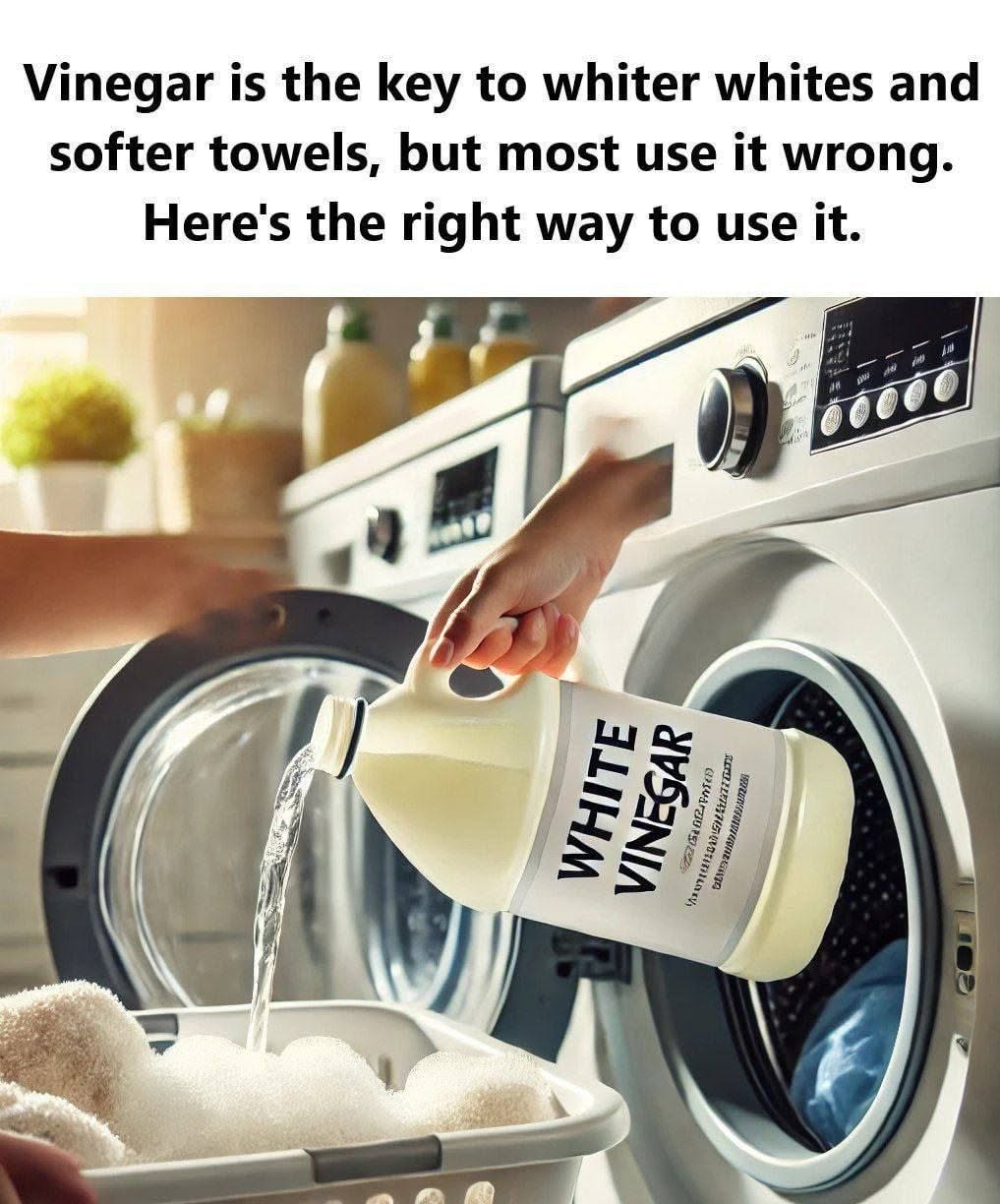
For Whiter Whites: Add about one cup of distilled white vinegar to your washing machine during the rinse cycle. This can help address detergent or mineral residue that remains on fabrics. For heavily stained whites, a suitable laundry stain remover may be more effective.
For Softer Towels: Add about half a cup of distilled white vinegar during the rinse cycle when washing towels. This may help reduce residue that can make towels feel stiff and may help preserve a softer feel.
Stain Removal: For some stains, pre-treat the fabric with a diluted mixture of vinegar and water before washing. Always check the garment’s care label and test the solution on an inconspicuous area first, since vinegar is not suitable for every fabric or type of stain.
Removing Mildew: For towels with a mildew odor, soaking them in a diluted vinegar solution before laundering may help reduce the smell. Persistent mildew may require a more appropriate laundry treatment, particularly when there is visible mold growth.
Important: Never mix vinegar with chlorine bleach. The combination can produce dangerous chlorine gas. Keep vinegar separate from bleach and follow the care instructions for your garments and washing machine.
By following these steps, you may be able to reduce detergent residue and help some fabrics feel fresher and softer without relying on conventional fabric softeners. Vinegar is an affordable household option, but it is not a universal replacement for laundry detergent, stain removers, or specialized fabric-care products.
When used appropriately, distilled white vinegar can be a useful addition to some laundry routines. Results will depend on the fabric, washing conditions, and the specific laundry problem you are trying to address.