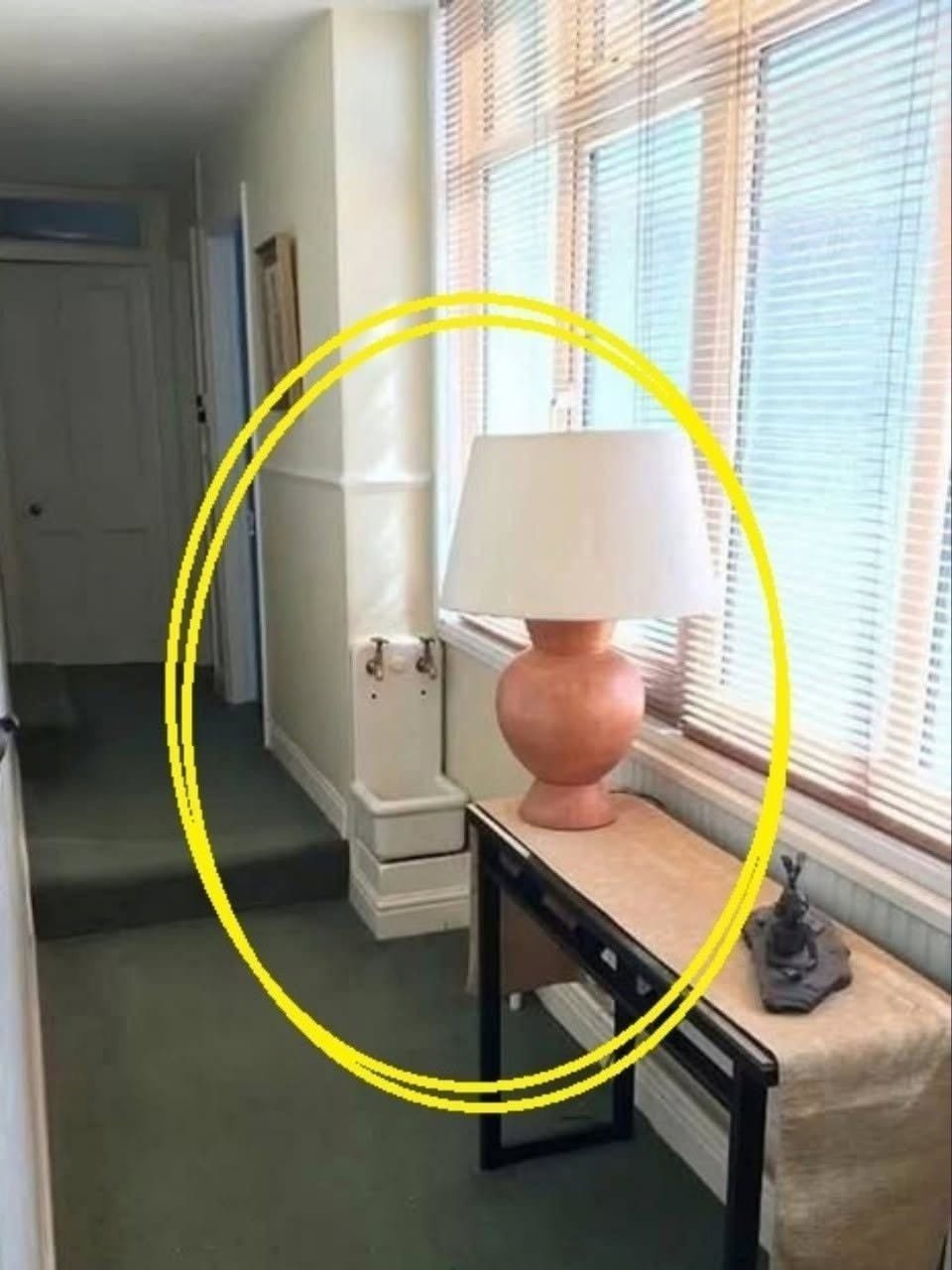
The Hallway Sink: A Ghost of Hygiene Past That Deserves a Second Life
If you’ve ever wandered through a vintage home and spotted a tiny, standalone sink tucked into the hallway, you might have paused in confusion.
It’s an odd sight—a porcelain basin wedged between the coat rack and the stairs, looking like a bathroom fixture that lost its way. But this wasn’t a plumbing mistake. It was a brilliant, pre-antibiotic hack for staying clean.
Before the modern mudroom and the powder room became standard, the hallway sink was the unsung hero of household hygiene. Let’s look at why this architectural ghost existed—and why it’s worth saving today.
The Original Handwashing Station
In the late 19th and early 20th centuries, the family bathroom was usually a single, cramped room located upstairs. The hallway sink—often called a “washstand”—was a strategic workaround.
Placed in the liminal space between the front door and the living quarters, it served as the home’s first line of defense against dirt and germs.
Its purpose was brilliantly simple:
-
A buffer against the outdoors: Washing off city grime or garden soil the moment you stepped inside.
-
A pre-meal pitstop: Saving guests and family the trek upstairs just to wash their hands before dinner.
-
Guest etiquette: Offering visitors a dignified way to freshen up without intruding on the family’s private bedrooms.
It was hygiene at its most practical: efficient, accessible, and discreet.