4. Deep-Cleaning Foot Soak: Relax and Rejuvenate
A warm foot soak can be a relaxing way to soothe tired feet, but there is no good evidence that adding activated charcoal and lemon juice detoxifies the body or removes toxins through the feet.
If you enjoy foot soaks, plain warm water is generally sufficient for relaxation. Avoid adding lemon juice if you have cuts, cracks, irritated skin, or other breaks in the skin barrier, because the acidity can cause stinging and irritation.
Precautions to Keep in Mind
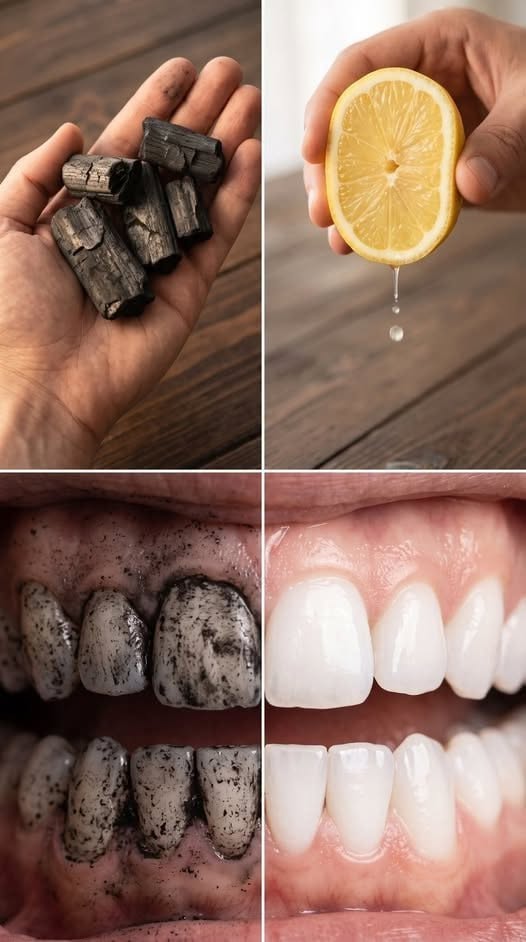
Teeth and enamel: Lemon juice is acidic and repeated exposure can contribute to enamel erosion. Activated charcoal may also be abrasive depending on the product. Avoid using lemon juice or abrasive charcoal mixtures as a regular tooth-whitening treatment.
Skin sensitivity: Fresh lemon juice can irritate sensitive skin and may increase the risk of a reaction after sun exposure. Patch testing can reduce the chance of an unexpected reaction, but it cannot guarantee that a product will be safe for full-face use.
Open wounds: Do not apply lemon juice, activated charcoal mixtures, or abrasive scrubs to cuts, broken skin, burns, or irritated areas.
Eye and lip area: Keep acidic or abrasive DIY mixtures away from the eyes and lips. If a product accidentally enters the eyes, rinse thoroughly with clean water.
Why Use Lemon Juice and Activated Charcoal?
The appeal of lemon juice and activated charcoal comes from their accessibility and versatility. They are inexpensive ingredients that are already present in many homes, which makes them tempting additions to DIY personal-care routines.
However, “natural” does not automatically mean safe or effective. Fresh lemon juice is substantially different from a professionally formulated skincare ingredient, and activated charcoal used in cosmetics is not a substitute for clinically tested treatments.
For teeth, evidence-based whitening products and professional dental care are generally safer choices than acidic homemade mixtures. For skin, products formulated for the specific skin concern can provide more predictable results with less risk of irritation.
The safest takeaway is that these familiar ingredients may sound appealing, but their limitations become especially important when they are used on delicate teeth or sensitive skin.
Final Thoughts
Lemon juice and activated charcoal may have interesting properties, but many of the stronger claims surrounding DIY detoxification, teeth whitening, and skin purification go beyond the available evidence. Some of these homemade applications may also damage enamel or irritate the skin.
If you are considering a DIY remedy, think about the potential risks as well as the intended benefits. When you have sensitive skin, existing dental problems, chronic skin conditions, or persistent symptoms, a dermatologist, dentist, or healthcare professional can provide advice tailored to your situation.
This article is for informational purposes only and is not a substitute for professional medical or dental advice. Use caution with homemade skincare and dental remedies, and seek professional guidance if you experience persistent irritation, pain, swelling, or other concerning symptoms.