Liver Disease: Symptoms, Causes, Stages, Diagnosis, and Treatment
Liver disease refers to a broad group of conditions that can injure the liver and interfere with its ability to perform essential functions. Some liver conditions can improve significantly when the underlying cause is identified and treated early, while others require long-term medical care.
The challenge is that many liver diseases cause few or no noticeable symptoms during their early stages. A person may feel relatively well even while inflammation, fat accumulation, or fibrosis is developing.
Early diagnosis can therefore make an important difference. Treating viral hepatitis, reducing harmful alcohol exposure, improving metabolic health, addressing medication-related injury, or treating another underlying cause may help prevent or slow progression.
Advanced liver disease is more complicated because extensive scarring can interfere with blood flow through the liver and reduce its ability to perform essential functions.
What Does the Liver Do?
of the body’s largest internal organs and performs hundreds of functions necessary for survival.
Among its major responsibilities are:
Processing nutrients absorbed from food
Producing bile to help digest fats
Storing glycogen for energy
Producing proteins involved in blood clotting
Producing albumin and other important blood proteins
Processing medications and alcohol
Helping remove metabolic waste products from the bloodstream
Storing certain vitamins and minerals
Helping regulate cholesterol, fats, and glucose metabolism
The liver has an impressive ability to regenerate after some types of injury. However, repeated or persistent damage can eventually produce fibrosis, disrupt normal liver architecture, and lead to serious complications.
What Is Liver Disease?
“Liver disease” is not one specific diagnosis. It is an umbrella term for many disorders affecting liver cells, bile ducts, blood vessels, metabolism, or the immune system.
Some liver diseases develop suddenly, while others progress slowly over years.
Liver disease does not always follow exactly the same sequence in every person. However, chronic injury is often described as progressing from inflammation to fibrosis, potentially followed by cirrhosis and eventually severe loss of liver function.
1. Inflammation
Inflammation occurs when liver tissue responds to infection, toxins, metabolic stress, immune activity, alcohol, or another source of injury.
Hepatitis simply means inflammation of the liver. It can be acute, meaning relatively short-term, or chronic, meaning persistent.
Acute liver inflammation may resolve completely in some situations. Persistent inflammation, however, can stimulate the formation of scar tissue.
2. Fibrosis
Fibrosis occurs when repeated injury causes collagen and other scar tissue to accumulate within the liver.
Early fibrosis may cause few symptoms and may be discovered
only through blood tests, imaging, elastography, or biopsy.
Importantly, fibrosis is not always permanent. In some people, treating the underlying cause can allow fibrosis to improve over time.
Examples include successful treatment of certain viral hepatitis infections, sustained alcohol abstinence in alcohol-related disease, and meaningful improvements in metabolic health when fatty liver disease is involved.
3. Cirrhosis
Cirrhosis is advanced scarring in which normal liver structure becomes significantly distorted.
At this stage, scar tissue and regenerative nodules can interfere with blood flow through the liver and reduce its ability to perform normal functions.
Cirrhosis was traditionally considered completely irreversible. Modern evidence suggests that some regression of fibrosis may occur when the underlying cause is successfully treated, but established cirrhosis remains a serious condition requiring ongoing medical monitoring.
People with cirrhosis may remain stable for years, particularly when the disease is detected before major complications occur.
Compensated and Decompensated Cirrhosis
Doctors
often divide cirrhosis into two broad stages.
Compensated cirrhosis means the liver is significantly scarred but still manages many of its essential functions. Symptoms may be mild or absent.
Decompensated cirrhosis means serious complications have developed, such as ascites, variceal bleeding, hepatic encephalopathy, or significant jaundice.
4. Liver Failure
Liver failure occurs when the liver can no longer adequately perform enough of its essential functions.
Chronic liver failure may develop in people with advanced cirrhosis, while acute liver failure can occasionally develop rapidly in someone without previously known cirrhosis.
Advanced liver failure can be life-threatening and may require evaluation for liver transplantation.
The early stages can be remarkably quiet, which is why knowing the subtle warning signs and risk factors matters long before severe symptoms appear.
Early Symptoms of Liver Disease
Many people with early liver disease have no symptoms at all.
When symptoms occur, they may be nonspecific and
could have many other causes.
Possible early symptoms include:
Persistent fatigue
Loss of appetite
Nausea
Discomfort or fullness in the upper-right abdomen
Unexplained weakness
General feeling of illness
Because these symptoms are common in many conditions, liver disease cannot be diagnosed from symptoms alone.
Symptoms of More Advanced Liver Disease
As liver function worsens or portal hypertension develops, symptoms may become more noticeable.
Possible signs include:
Jaundice, causing yellowing of the skin or whites of the eyes
Dark urine
Pale or unusually light-colored stools in some bile-flow disorders
Persistent itching
Abdominal swelling
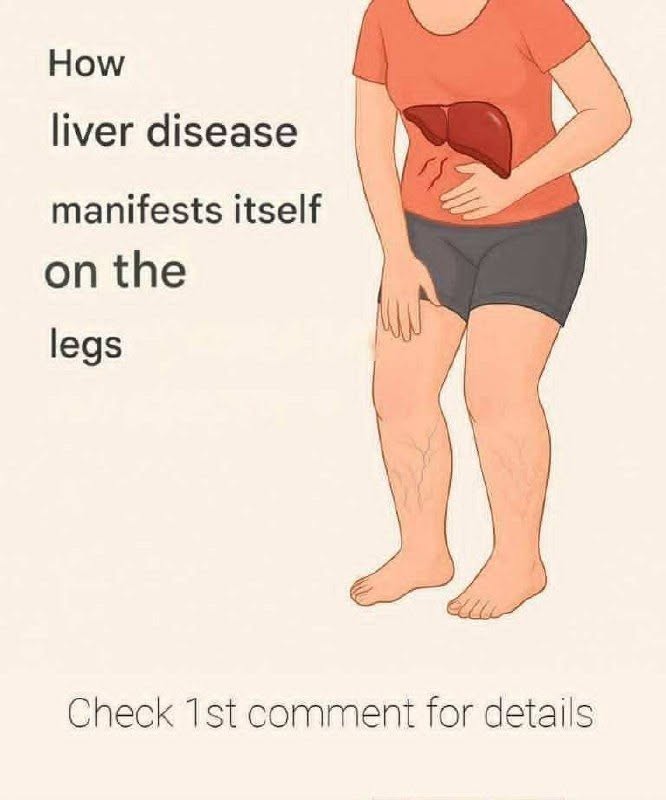
Swelling of the legs or ankles
Easy bruising or bleeding
Loss of muscle mass
Unintentional weight loss
Loss of appetite
Confusion, slowed thinking, or changes in alertness
Jaundice
Jaundice develops when bilirubin accumulates in the blood.
Bilirubin is a yellow pigment produced during the normal breakdown of red blood cells. The liver normally processes bilirubin so it can
Hepatic encephalopathy is a complication of advanced liver disease in which toxins that would normally be processed by the liver affect brain function.
Symptoms may range from subtle changes in concentration or sleep patterns to confusion, personality changes, severe drowsiness, and coma.
New confusion in someone with known advanced liver disease should receive prompt medical attention.
Skin and Body Changes
Some people with chronic advanced liver disease develop visible physical findings.
These may include:
Spider angiomas, which are small visible blood vessels
Redness of the palms, called palmar erythema
Easy bruising
Loss of muscle mass
Jaundice
Abdominal swelling from ascites
None of these findings alone proves that someone has liver disease.
Hormonal and Reproductive Changes
Advanced chronic liver disease can interfere with hormone metabolism.
In some men, this may contribute to reduced testicular size, decreased body hair, sexual dysfunction, or enlargement of breast tissue.
In some women, advanced disease may
contribute to menstrual irregularities and fertility problems.
Portal Hypertension
Portal hypertension is increased pressure within the portal venous system, which carries blood from the digestive organs toward the liver.
When cirrhosis obstructs blood flow through the liver, pressure can build up behind the scarred tissue.
Potential complications include:
Esophageal or gastric varices
Variceal bleeding
Enlarged spleen
Low platelet counts
Ascites
Variceal Bleeding Is an Emergency
Varices are enlarged veins that may form in the esophagus or stomach because of portal hypertension.
If they rupture, they can cause severe internal bleeding.
Vomiting blood, passing black tarry stools, fainting, or developing signs of shock requires emergency medical care.
Liver Cancer Risk
People with cirrhosis and certain chronic liver diseases have an increased risk of hepatocellular carcinoma, the most common primary liver cancer.
Because of this risk, people with qualifying cirrhosis or other high-risk conditions may require regular surveillance with imaging and sometimes
blood testing according to their clinician’s recommendations.
Major Causes of Liver Disease
Viral Hepatitis
Several viruses can infect the liver.
Hepatitis B and hepatitis C are particularly important because they can become chronic and eventually cause fibrosis, cirrhosis, or liver cancer in some people.
Effective antiviral treatments are available, and hepatitis C can now be cured in most treated patients.
Alcohol-Associated Liver Disease
Long-term heavy alcohol consumption can injure liver cells and contribute to steatosis, inflammation, fibrosis, cirrhosis, and liver failure.
Individual susceptibility varies, and there is no single amount of alcohol that produces the same risk for every person.
People with alcohol-related liver disease are generally advised to avoid alcohol completely.
The condition previously widely called non-alcoholic fatty liver disease, or NAFLD, is now commonly referred to as metabolic dysfunction-associated steatotic liver disease, or MASLD.
It involves excessive fat accumulation in the liver and
is commonly associated with metabolic risk factors such as:
Overweight or obesity
Type 2 diabetes
Insulin resistance
High triglycerides
Abnormal cholesterol levels
High blood pressure
Some people with MASLD develop an inflammatory form known as metabolic dysfunction-associated steatohepatitis, or MASH, which can progress to fibrosis and cirrhosis.
Autoimmune Liver Diseases
Autoimmune liver diseases occur when the immune system mistakenly attacks parts of the liver or bile ducts.
Examples include autoimmune hepatitis, primary biliary cholangitis, and primary sclerosing cholangitis.
Genetic Liver Diseases
Inherited conditions can also damage the liver.
Examples include:
Hereditary hemochromatosis
Wilson disease
Alpha-1 antitrypsin deficiency
Medication- and Toxin-Related Liver Injury
Some prescription medicines, over-the-counter drugs, herbal products, supplements, and toxic chemicals can injure the liver.
Acetaminophen can cause severe liver damage when taken in excessive amounts or in certain high-risk circumstances. When used correctly at recommended doses, however, it is widely used safely by many people.
Never combine
multiple medications containing acetaminophen without checking the labels, because accidental overdose can occur.
Recognizing symptoms is only part of the picture—the next step is understanding how doctors determine what is damaging the liver and how severe that damage has become.
Risk Factors for Liver Disease
A person’s risk depends on the specific liver disorder, but important risk factors can include:
Heavy or prolonged alcohol consumption
Obesity
Type 2 diabetes
High triglycerides or metabolic syndrome
Exposure to hepatitis B or C
Sharing needles or injection equipment
Unprotected exposure to infected blood or certain body fluids
Family history of hereditary liver disorders
Use of certain potentially hepatotoxic medications or supplements
Exposure to particular industrial or environmental toxins
How Liver Disease Is Diagnosed
Doctors usually combine medical history, physical examination, blood tests, imaging, and sometimes specialized procedures to identify the cause and severity of liver disease.
Blood Tests
Blood testing may include measurements
of enzymes and substances such as:
ALT
AST
Alkaline phosphatase
Gamma-glutamyl transferase in selected situations
Bilirubin
Albumin
Prothrombin time or INR
These tests provide different types of information. Some indicate liver-cell injury, some suggest problems with bile flow, and others help doctors assess how well the liver is performing essential functions.
Abnormal liver enzymes do not automatically mean severe liver failure, and normal liver enzymes do not completely exclude significant chronic liver disease.
Ultrasound
Ultrasound is commonly used to evaluate liver size, texture, bile ducts, gallbladder abnormalities, masses, and signs that may suggest portal hypertension.
CT and MRI
CT scans and MRI provide more detailed images when doctors need to investigate liver lesions, blood vessels, bile ducts, tumors, or complications of chronic disease.
Elastography
Elastography estimates liver stiffness, which can help assess fibrosis.
Techniques such as vibration-controlled transient elastography are widely used because they are noninvasive and can reduce the
need for liver biopsy in some situations.
Endoscopy
Upper gastrointestinal endoscopy may be performed in people with cirrhosis to look for esophageal or gastric varices.
Specialized procedures such as ERCP may be used to diagnose or treat certain bile duct problems, although noninvasive imaging such as MRCP is often used first when appropriate.
Liver Biopsy
A liver biopsy removes a small tissue sample for microscopic examination.
It can help determine the type and severity of liver disease when other tests do not provide enough information.
Biopsy is not required for every person with liver disease.
Treatment for Liver Disease
There is no single treatment for all liver diseases. Treatment depends on the underlying cause, severity of fibrosis, liver function, complications, and overall health.
Viral Hepatitis Treatment
Antiviral medications can suppress hepatitis B and dramatically reduce its complications in appropriate patients.
Modern direct-acting antiviral medications can cure the vast majority of
people treated for hepatitis C.
Treatment of Alcohol-Associated Liver Disease
Avoiding alcohol is one of the most important interventions when alcohol is contributing to liver injury.
Some patients also require nutritional support, treatment for alcohol use disorder, medications, or management of complications.
Treatment of MASLD and MASH
Improving metabolic health is central to treatment.
Depending on the individual, this may involve:
Gradual weight loss when appropriate
Regular physical activity
Managing diabetes
Controlling blood pressure
Managing cholesterol and triglycerides
Following an overall balanced eating pattern
Specific medications may also be considered for selected patients depending on disease severity and current treatment guidelines.
Autoimmune Liver Disease Treatment
Autoimmune hepatitis is often treated with medications that reduce abnormal immune activity.
Other autoimmune bile duct conditions require different medications and monitoring strategies.
Treatment of Cirrhosis
Treatment focuses on addressing the original liver disease and preventing or managing complications.
This may include treatment for:
Ascites
Portal hypertension
Esophageal varices
Hepatic encephalopathy
Infections
Nutritional problems
Liver cancer risk
Liver Transplantation
For some people with severe irreversible liver failure, certain liver cancers, or complications that cannot be adequately controlled, liver transplantation may offer the best chance for long-term survival.
Not everyone with cirrhosis needs a transplant. Eligibility depends on disease severity and many other medical factors.
Can Liver Disease Be Reversed?
The answer depends on the cause and stage.
Fat accumulation and inflammation may improve substantially when the underlying problem is corrected.
Fibrosis can also regress in some people after effective treatment.
Advanced cirrhosis is much harder to reverse, although treating the underlying cause may stabilize the disease and sometimes allow partial improvement in fibrosis and liver function.
The goal is therefore to identify liver disease as early as possible rather than waiting until complications develop.