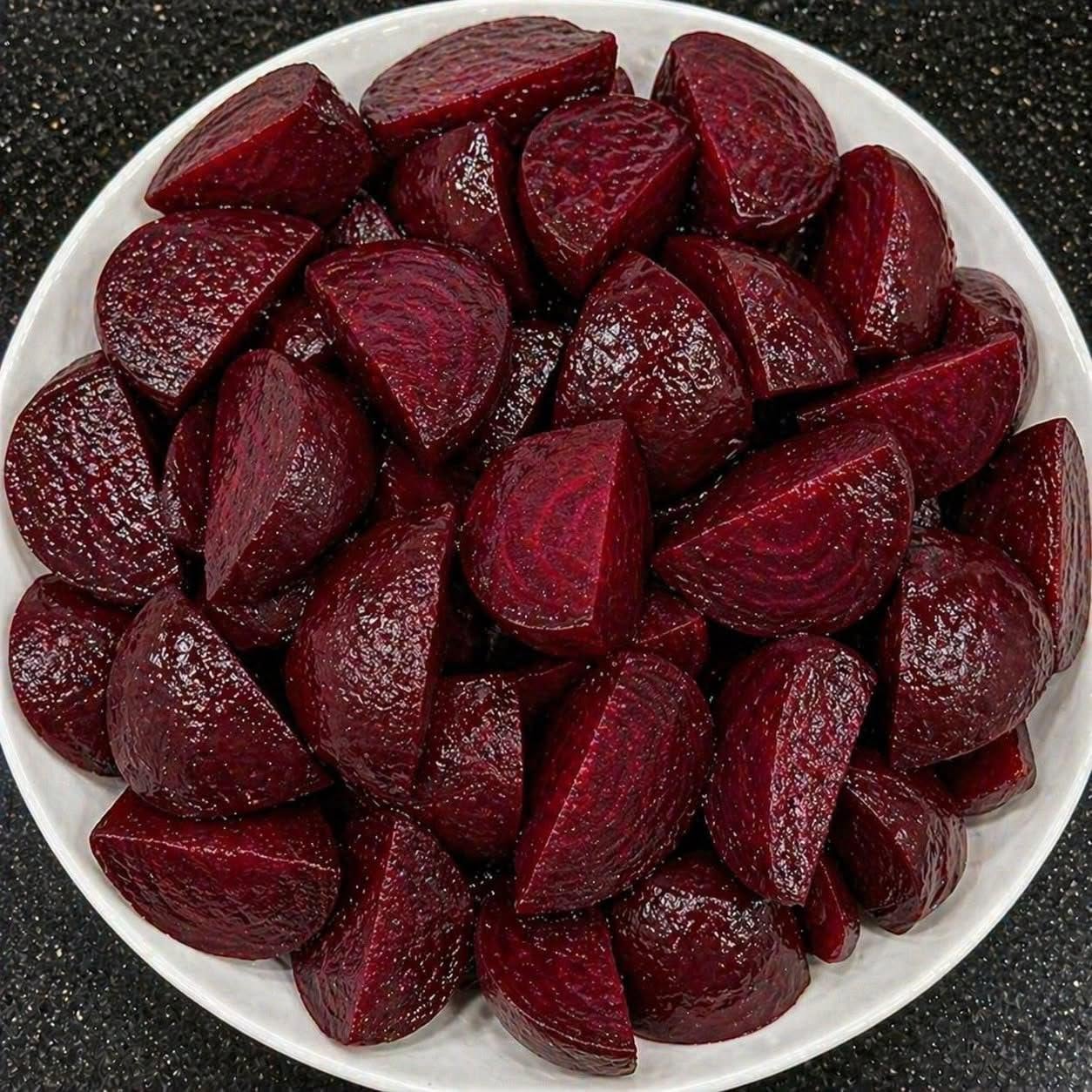
value for folate, 14% for manganese, and smaller amounts of copper, potassium, magnesium, vitamin C, and vitamin B6 . Beetroot is also exceptionally high in inorganic nitrates, which the human body converts into nitric oxide .
Health Benefits of Eating Beets
- Lowering Blood Pressure and Supporting Heart Health
One of the most well-documented effects of beets is their ability to lower blood pressure. The high concentration of dietary nitrates in beetroot is converted into nitric oxide in the body, a molecule that dilates blood vessels and causes blood pressure levels to drop . Research shows that beetroot juice could significantly lower both systolic and diastolic blood pressure levels . This improved circulation is a primary reason beets are so well-regarded for heart health, potentially reducing the risk of heart attacks and strokes . - Enhanced Athletic Performance and Stamina
The same nitrates that benefit the heart also provide a significant boost to athletic performance. By improving - oxygen delivery to working muscles, dietary nitrates can increase endurance and delay fatigue . Studies indicate that beetroot juice may enhance cardiorespiratory performance and improve efficiency for athletes, particularly in endurance activities like running and cycling . The effects are most noticeable when beets or beet juice are consumed two to three hours before exercise, as blood nitrate levels peak during this window .
- Reducing Inflammation
Beets contain pigments called betalains, which possess anti-inflammatory properties . Chronic inflammation is linked to numerous health conditions, including obesity, heart disease, liver disease, and cancer . One study found that participants who drank beetroot juice daily for two weeks experienced a significant drop in inflammatory markers . However, experts note that more research is needed to confirm whether typical dietary amounts of beets provide the same anti-inflammatory benefits as concentrated extracts . - Improved Digestive Health
Beets are a good source of fiber, providing about 2 to 3 grams per 100-gram
- serving . Fiber is essential for digestive health as it feeds friendly gut bacteria, adds bulk to stools, and helps prevent conditions like constipation and inflammatory bowel disease (IBS) . Additionally, the fiber content helps you feel fuller for longer, which can assist with weight management .
- Potential Brain Health Benefits
The nitrates in beets may also improve brain function by promoting the dilation of blood vessels and increasing blood flow to the brain . Specifically, beets have been shown to improve blood flow to the frontal lobe, an area associated with higher-level thinking such as decision-making and working memory . As nitric oxide production decreases with age, consuming nitrate-rich foods like beets may help support cognitive health and potentially reduce the risk of neurodegenerative disorders like dementia . - Liver Support
Beets contain betaine and betalains, which are plant-based pigments packed with antioxidants . Betanin, the compound that gives beets their vibrant red color, helps protect the -
- liver by reducing oxidative stress and inflammation. Betaine aids in natural liver detoxification, protects liver cells from damage, and helps the liver process fats efficiently, preventing fatty deposits that can lead to liver disease .
Potential Risks and Side Effects
While beets are generally safe and healthy for most people, doctors warn about several potential side effects and risks associated with their consumption.- Digestive Discomfort
Beets are a source of fructans, short-chain carbohydrates classified as FODMAPs. Some people have difficulty digesting FODMAPs, which can lead to digestive issues such as bloating, gas, stomach pain, diarrhea, and constipation . For most people, these effects are mild, but those with sensitive digestive systems may want to moderate their intake. - Kidney Stone Risk
Beets contain naturally occurring compounds called oxalates. While most people do not need to worry about them, those who have had certain types of kidney stones (specifically calcium oxalate stones) may be - Beets
To reap the benefits while minimizing risks, experts recommend consuming beets in moderation. A reasonable amount is about 1 cup of cooked beets or a half cup of beetroot juice per day . Eating whole beets is generally preferred over supplements, as whole beets contain more fiber and a wider range of nutrients, while supplements may lack some of these beneficial components and are not strictly regulated .Beets can be enjoyed in various ways: roasted, steamed, pickled, raw, or juiced. Their naturally sweet, earthy flavor makes them a versatile addition to salads, smoothies, soups, and side dishes . For those looking to boost athletic performance, consuming beet juice two to three hours before exercise may be optimal .
Conclusion
The doctors’ verdict on beets is largely positive: this vibrant root vegetable offers impressive benefits for heart health, athletic performance, inflammation reduction, digestion, brain function, and liver support. However, it is not without - potential drawbacks. Digestive discomfort, kidney stone risk, blood pressure fluctuations, and gout flare-ups are possible for certain individuals. As with any dietary change, moderation and awareness of personal health conditions are key. For most people, incorporating beets into a balanced diet is a safe and effective way to enhance overall health, but those with specific medical conditions or concerns should consult a healthcare provider to determine what is right for them.
- liver by reducing oxidative stress and inflammation. Betaine aids in natural liver detoxification, protects liver cells from damage, and helps the liver process fats efficiently, preventing fatty deposits that can lead to liver disease .