

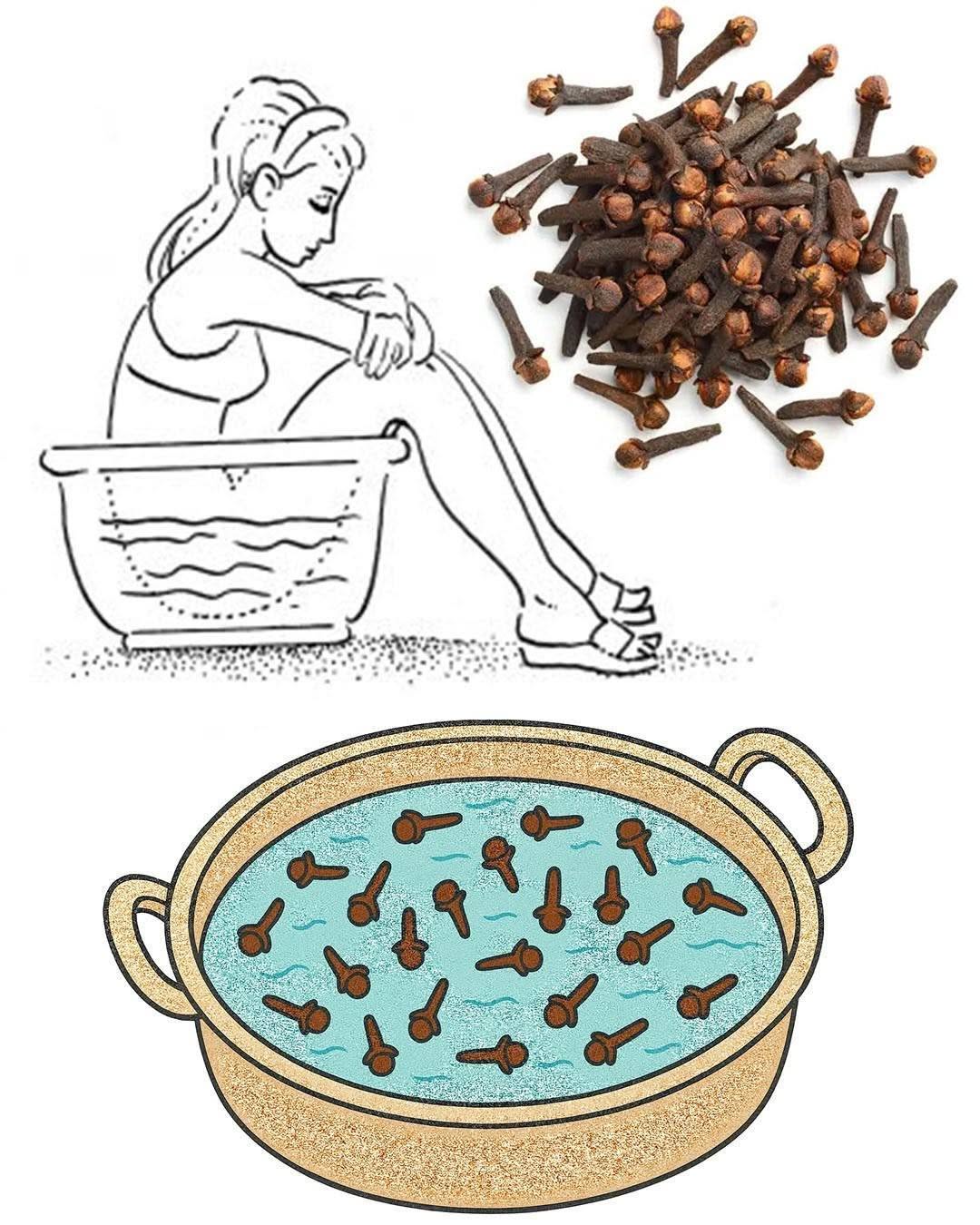
For hundreds of years, cloves (Syzygium aromaticum) have been treasured in traditional medicine for their warm aroma, potent antioxidants, and naturally cleansing qualities. Today, some women explore using lightly infused clove water in sitz baths as a way to soothe mild discomfort, refresh delicate skin, or support recovery after childbirth.
But one important fact often gets overlooked:
👉 Genital tissues are highly sensitive and easily irritated.
While gentle herbal soaks can feel comforting, strong spices like cloves must be used with extreme care — and in many cases, avoided altogether.
Let’s take a deeper, more complete look at what clove water sitz baths might offer, the potential risks involved, and how to approach intimate care with safety and confidence.
Because true self-care isn’t about bold scents or intense remedies —
it’s about honoring your body’s natural balance.
🔍 What Exactly Is a Sitz Bath?
A sitz bath (pronounced “seets”) is a shallow, warm-water soak designed to cleanse and soothe the perineal area — the space between the vagina and the anus.
Healthcare professionals often recommend sitz baths for:
Postpartum recovery, including tearing or episiotomy healing
Hemorrhoid relief
Soothing anal fissures
Comfort after certain minor surgeries
Temporary relief of irritation from yeast infections or UTIs (as supportive care only)
They can be done in:
A clean bathtub, or
A special plastic basin that sits on top of the toilet seat
Warm water alone often brings noticeable comfort by increasing blood flow and relaxing tense muscles.
🌱 Can Clove Water Be Used in a Sitz Bath?
Cloves contain eugenol, a compound known for its:
Antioxidant activity
Mild antiseptic properties
Subtle anti-inflammatory effects
In controlled medical settings, eugenol is used in dental care — but applying clove-infused water to the genital area is an entirely different environment. The skin and mucous membranes here are considerably more absorbent and reactive.
Possible (Though Limited) Benefits
Some individuals report:
Mild soothing effects — largely due to the warm water itself
A gentle cleansing sensation — only when the infusion is extremely diluted
Cultural familiarity — clove water is part of traditional remedies in some regions
However:
⚠️ There is no scientific evidence that clove water treats infections, eliminates odor, heals wounds, or improves vaginal health.
And several risks exist, especially when cloves are used in anything stronger than a very light infusion.