Take
If symptoms occur—even if they disappear—seek urgent medical evaluation. Early intervention can include diagnostic imaging and treatments that reduce the risk of a major stroke, which affects roughly 10-15% of TIA patients within 90 days without preventive care.
Check Your Medicine Cabinet
Some medications can increase stroke risk by affecting blood clotting or blood pressure. Reviewing your prescriptions with a healthcare provider can identify if adjustments are necessary. This step is especially important for older adults managing multiple chronic conditions.
Awareness of the warning signs and quick action can save lives and reduce long-term disability from strokes.
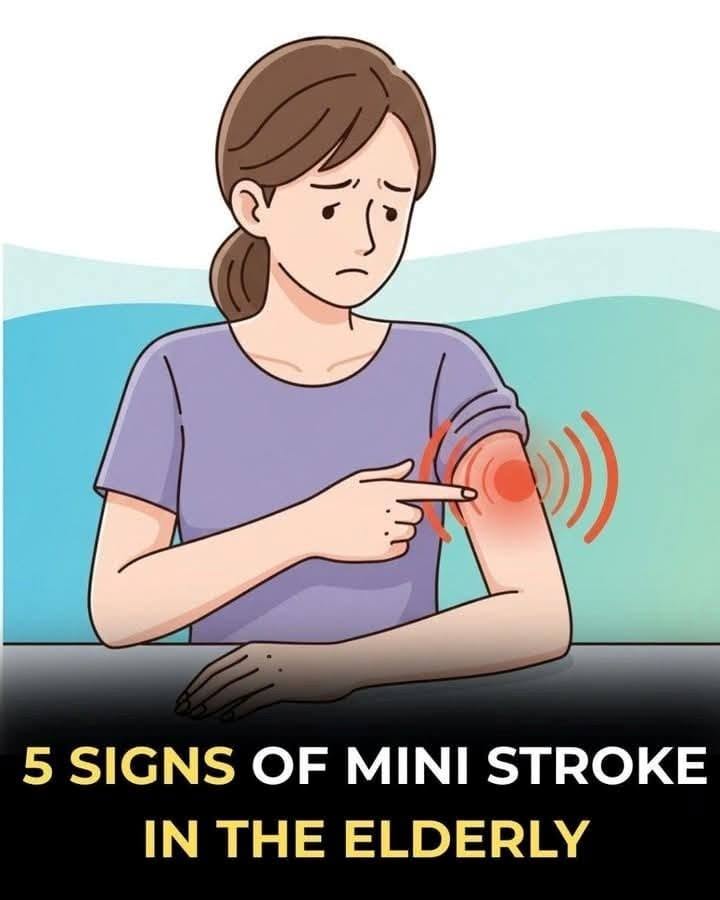
Here are the 5 signs. Number 2 is the one most people don’t expect — and recognizing it early can be lifesaving.
Continue Reading on the Next Page
Sudden Weakness or Numbness
Sudden weakness or numbness, particularly on one side of the body, is a hallmark sign of a mini stroke, or Transient
Ischemic Attack (TIA). This symptom typically affects the face, arm, or leg. For example, a person might notice one side of their face drooping or experience difficulty lifting an arm or leg. The weakness or numbness often occurs abruptly and may resolve within minutes to hours.
This symptom arises because the temporary blockage reduces blood flow to a specific brain region controlling movement or sensation. Even though the symptoms may fade quickly, this is a critical warning sign that should never be dismissed, as it indicates potential vascular issues that could lead to a major stroke.
Difficulty Speaking or Understanding Speech
Another common sign of a mini stroke is sudden difficulty with speech. This can manifest as slurred speech, trouble pronouncing words, or difficulty finding the right words during conversation. Additionally, some individuals may suddenly struggle to understand what others are saying, a condition known as receptive aphasia.
These speech
problems result from reduced blood flow to areas of the brain responsible for language processing. Because communication is vital for daily activities and safety, any sudden changes should prompt immediate medical evaluation.
Continue Reading on the Next Page
Vision Problems
Temporary vision disturbances are another important indicator of a mini stroke. These can include sudden blurred vision, loss of vision in one or both eyes, or double vision. Such visual symptoms occur when blood flow to the parts of the brain controlling sight is briefly interrupted.
These vision changes may last only a few minutes but should be taken seriously as they may precede a more severe stroke. Often, vision problems in TIAs affect only one eye or part of the visual field.
When to See a Doctor
If you or an elderly loved one experiences any signs of a mini stroke—such as sudden weakness, speech difficulties, or vision problems—even
if these symptoms resolve quickly, seek emergency medical attention immediately. Prompt diagnosis often involves brain imaging tests, such as MRI or CT scans, and vascular studies to identify the source of the blockage.
Early evaluation allows doctors to prescribe preventive treatments, such as antiplatelet medications or anticoagulants, and to manage risk factors like high blood pressure, diabetes, and cholesterol. Timely intervention significantly reduces the risk of a full stroke, which can cause permanent neurological damage.
Conclusion
Mini strokes are brief but serious events that serve as a warning for potential major strokes. Recognizing the key signs—sudden weakness or numbness, speech difficulties, and vision problems—can save lives by prompting urgent medical care. Awareness and swift action are essential to protect brain health and prevent long-term disability.
This information is for educational purposes only and does not replace professional medical advice. Always consult a healthcare provider for diagnosis and treatment of medical
← Previous Page
Next →