

5. White Yarrow
Clusters of tiny white flowers make yarrow an elegant addition to your garden. It prefers full sun and is easy to care for, offering dragonflies a convenient perch while adding charm and structure to your landscape.
6. Joe-Pye Weed
Towering six feet tall, Joe-Pye weed is a favorite for pollinators including dragonflies. Its pinkish-purple blooms release a sweet fragrance, and its preference for damp soil makes it perfect near ponds or water gardens.
7. Pond Plants
Submerged and floating pond plants like eelgrass, baby pondweed, water lilies, and lotus flowers are essential for dragonfly larvae. These plants provide cover for young dragonflies and encourage adults to return to the same breeding grounds year after year.
8. Goldenrod
This tall, yellow-blooming plant attracts numerous pollinators. Goldenrod’s nectar is a favorite of adult dragonflies, and its height—up to five feet—gives them ample perching spots. It thrives in well-drained soil and flowers in late summer, adding both visual interest and practical function.
9. Cardinal Flower
With striking red blooms, cardinal flowers attract dragonflies and other pollinators alike. They flourish in wet soil near ponds or streams, reaching around three feet tall. Their bold color and vertical growth make them a showpiece as well as a functional habitat addition.
10. Flat Rocks
While not a plant, flat rocks are an essential garden accessory for dragonflies. These insects love to sunbathe, and rocks placed around ponds or garden edges provide them with safe, elevated perches. Mixing plants and perching spots creates a welcoming environment that encourages dragonflies to stick around.
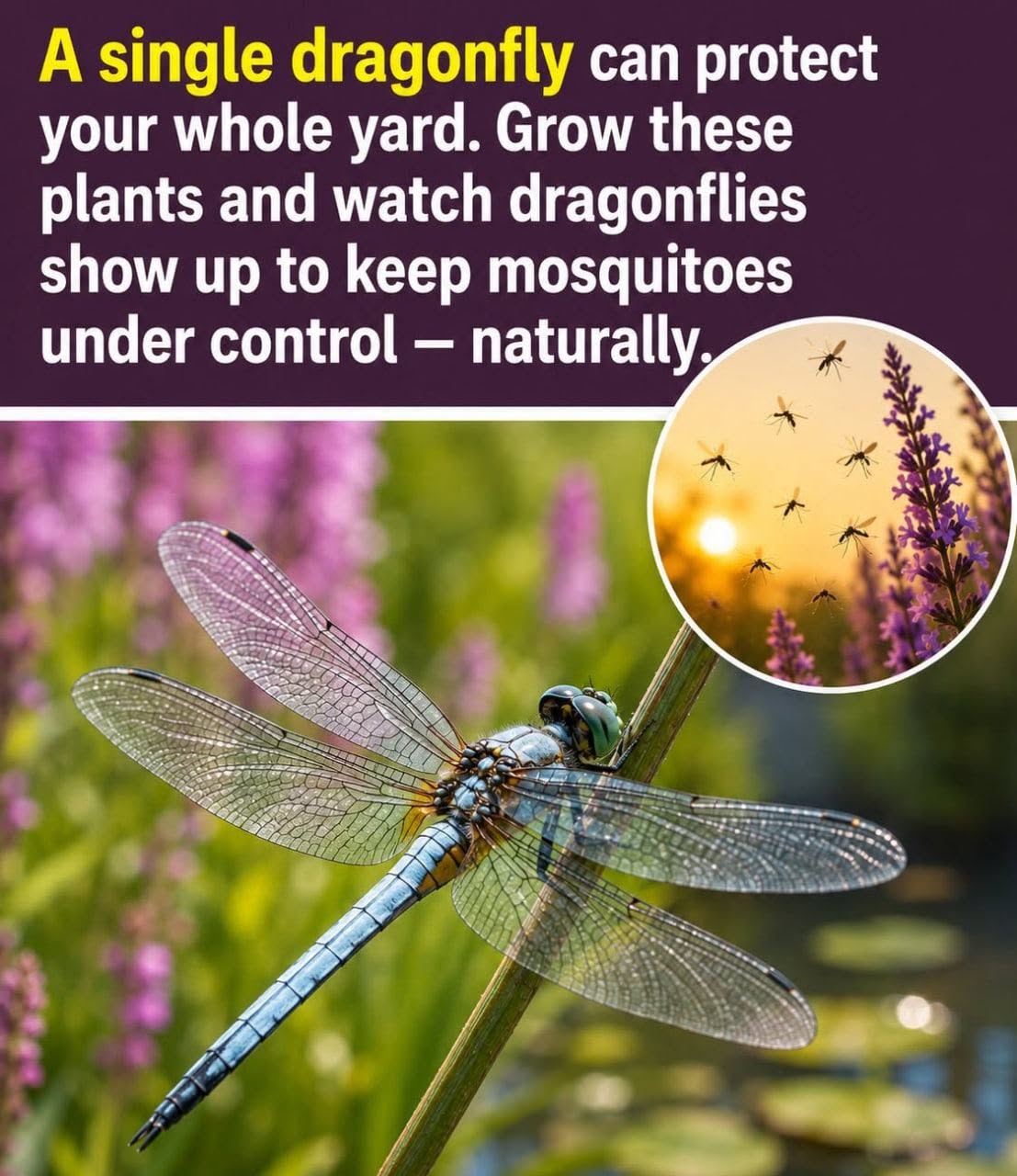
By combining water features, dragonfly-friendly plants, and safe perches, you can turn your garden into a sanctuary for these fascinating insects. Not only will your outdoor space become more vibrant and alive, but you’ll also benefit from a natural reduction in mosquitoes and other pests.
Dragonflies are a reminder that beauty and utility can coexist in your garden. With a few intentional choices, you can attract these delicate predators while supporting local biodiversity—and maybe even enjoy the thrill of watching them swoop and hover around your flowers all summer long.
ADVER