

The Hidden Appeal of the “600-Girl” Name Scroll through your social media feed, and you’re bound to encounter a headline…
Author: aziz boumdek
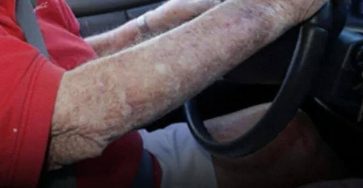
Sad News for Drivers Over 70: Will They Soon No Longer Be Able to Drive?
Are older drivers still fit to get behind the wheel? And above all, should they be required to take driving…
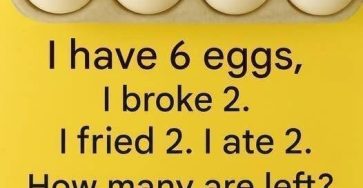
The Riddle of the 6 Eggs — Solved!
The “6 Eggs” Riddle: Why Most People Get It Wrong (And the Simple Trick to Solve It) Brain teasers have…
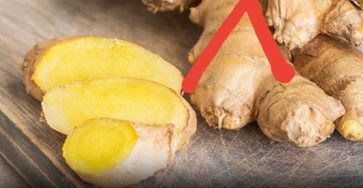
Avoid Ginger If You Have These 5 Health Problems
Ginger is often celebrated for its powerful anti-inflammatory and digestive benefits. It’s a popular home remedy for nausea, colds, and…
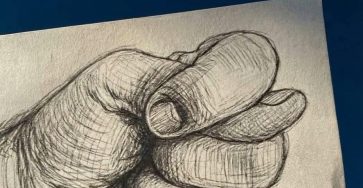
Meaning Behind One of History’s Oldest Hand Gestures
25 Surprising Everyday Facts and Simple Tips You’ll Wish You Knew Sooner Everyday life is full of small details we…
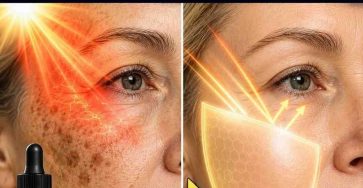
There’s a $10 ingredient that fades dark spots — but it stops working completely if you skip one specific step
Are you tired of looking in the mirror and seeing those stubborn dark spots, age spots, acne scars, or uneven skin patches…
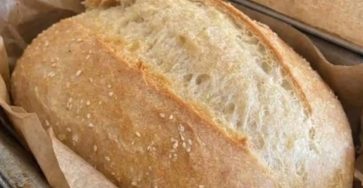
I never thought making fresh bread could be this easy. One batch of this soft, fluffy loaf, and my coworkers couldn’t stop asking me to bake more—it’s that irresistible!
The Easiest No-Knead Sandwich Bread You’ll Ever Bake I never thought making fresh bread could be this easy. One batch…
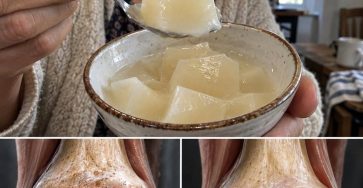
Homemade Gelatin Recipe for a Joint-Friendly Diet
Homemade Gelatin Recipe for a Joint-Friendly Diet A viral image claims that this homemade preparation can eliminate joint pain and…

At Family Dinner, I Said: “I’m About To Give Birth.” My Parents Laughed: “That’s Not Our Grandchild.” I Drove Myself To The Hospital Alone. A Week Later, Mom Knocked: “Sweetheart, Let Me See The Baby.”
At Family Dinner, I Said: “I’m About To Give Birth.” My Parents Laughed: “That’s Not Our Grandchild.” I Drove Myself…
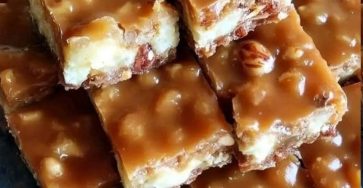
Oklahoma Nut Candy — A Classic Southern Delight
Why This Candy is a Classic Deep Caramel Flavor — Made with a slow sugar melt for rich taste. Creamy, Yet…
