How to Get Rid of Milia: Safe Treatments for These Tiny White Bumps
Small, firm white bumps around the eyes, cheeks, or nose can be frustrating—especially when they do not behave like ordinary pimples. They may be milia, tiny cysts that form when keratin, a protein found in the skin, becomes trapped beneath its surface. Despite sometimes being described as “fat cysts,” milia are not filled with fat or oil, and they are not a type of acne.
Milia are usually harmless. Many disappear without treatment, but some can persist
for months or longer. The safest approach depends on where they are, how long they have been there, and whether a healthcare professional has confirmed that the bumps are milia.
What Do Milia Look Like?
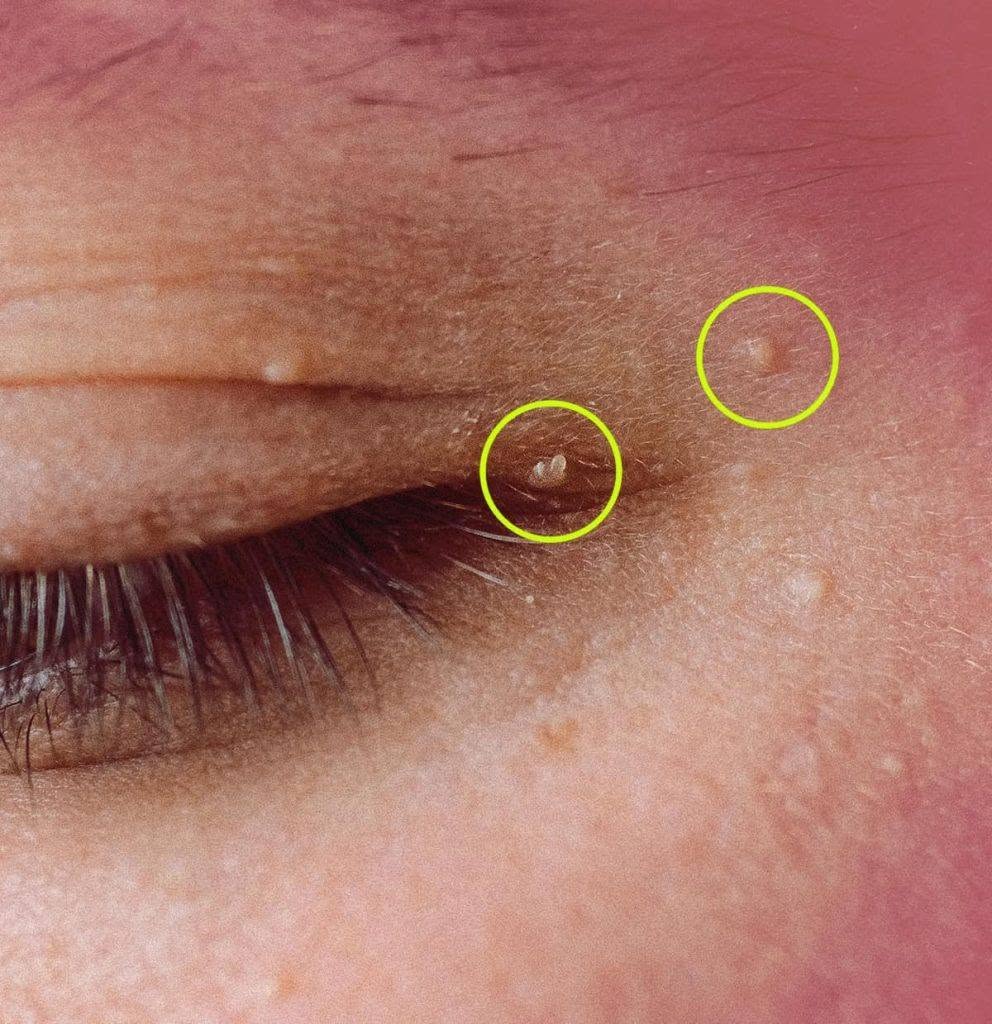
Milia typically appear as small, pearly white or yellowish bumps just beneath the skin. They are often found on the eyelids, cheeks, forehead, and nose, though they can occur elsewhere. Unlike many pimples, milia usually do not have a visible opening and are not typically red, swollen, or painful.
It can be difficult to identify
a skin bump by appearance alone. Milia can resemble whiteheads and other small skin conditions, which may need different care. If you are unsure what the bumps are—particularly if they are changing, spreading, or irritating you—ask a dermatologist or another qualified healthcare professional for an assessment.
Do Milia Go Away on Their Own?
Often, yes. Milia in newborns commonly clear within a few weeks without treatment. In older children and adults, they may resolve on their own, but some can remain for months or longer. They are generally not dangerous,
so treatment is usually optional unless the bumps are persistent or bothersome.
What You Can Do at Home
Home care is mainly about keeping the skin comfortable and avoiding irritation. Cleanse gently with a mild product and lukewarm water, then pat the skin dry rather than rubbing. If a product seems to irritate your skin, stop using it and consider asking a healthcare professional for advice.
Gentle exfoliating products may help some adults, but they are not a guaranteed way to remove existing milia. Strong scrubs, repeated exfoliation, or harsh
products can irritate or damage the skin—especially around the eyes, where the skin is delicate. Do not apply exfoliating acids or other active products close to the eyes unless the product is specifically intended for that area and you have checked that it is appropriate for you.
Some topical retinoids may be recommended for certain cases, but they can irritate the skin and are not suitable for everyone. Ask a clinician or pharmacist before starting one, particularly if the bumps are near your eyes, you have sensitive skin, or you
are pregnant or planning a pregnancy.
Why You Shouldn’t Squeeze or Pierce Milia
Milia are not ordinary pimples, so squeezing them at home is unlikely to remove them safely. Picking, scraping, or trying to open a bump with a needle can cause infection, scarring, or other skin injury. This is especially risky around the eyes.
If you want a persistent bump removed, a dermatologist or other qualified healthcare professional can confirm what it is and discuss appropriate treatment. Depending on the case, removal may involve opening the tiny cyst with
a sterile instrument and extracting its contents. Other clinic-based treatments may be considered for multiple or widespread milia.
How a Professional Can Treat Milia
A healthcare professional can first check that the bumps are actually milia. If removal is appropriate, they may use a sterile needle or blade to open the surface and carefully release the trapped keratin. This should be performed by a qualified professional, not attempted at home.
For extensive or recurring cases, a dermatologist may consider other options, such as prescription topical treatments or procedures. The best
choice depends on the type of milia, its location, and the person’s skin. Treatment is not always necessary, and a clinician can explain the possible benefits and risks before proceeding.
Milia in Babies
Milia are common in newborns and usually clear on their own. They do not generally need creams, scrubs, or extraction. Use gentle care and avoid applying adult skincare products to a baby’s skin unless a healthcare professional recommends them.
If your baby’s bumps look irritated, seem painful, spread, or do not improve over time, contact a pediatrician
or other healthcare professional. They can check whether the spots are milia or another condition.
Can Milia Be Prevented?
Not all milia can be prevented. Some appear without an obvious cause, while others can develop after skin injury or irritation. Protecting your skin from excessive sun exposure and avoiding unnecessary trauma may help reduce some contributing factors, but there is no routine that guarantees milia will not form.
It is also worth reviewing your skincare routine if you suspect a product is irritating your skin. You can simplify the routine
and reintroduce products gradually, but avoid assuming that a particular moisturizer or ingredient caused the bumps without professional guidance.
When to Seek Medical Advice
Consider seeing a healthcare professional if the bumps persist and you want them removed, if you are uncertain about the diagnosis, or if the area becomes painful, red, swollen, or irritated. Seek advice as well if many bumps appear suddenly, the skin changes, or the spots are close to the eye and affecting your comfort.
The Bottom Line
Milia are small keratin-filled cysts, not “fat cysts”
or regular pimples. They are usually harmless and may clear on their own, but persistent bumps can be assessed and removed by a qualified professional. Keep home care gentle, avoid squeezing or piercing them, and seek medical advice if you are unsure what the bumps are or want them treated safely.
This article is for general information and does not replace a medical diagnosis or personalized advice from a healthcare professional.