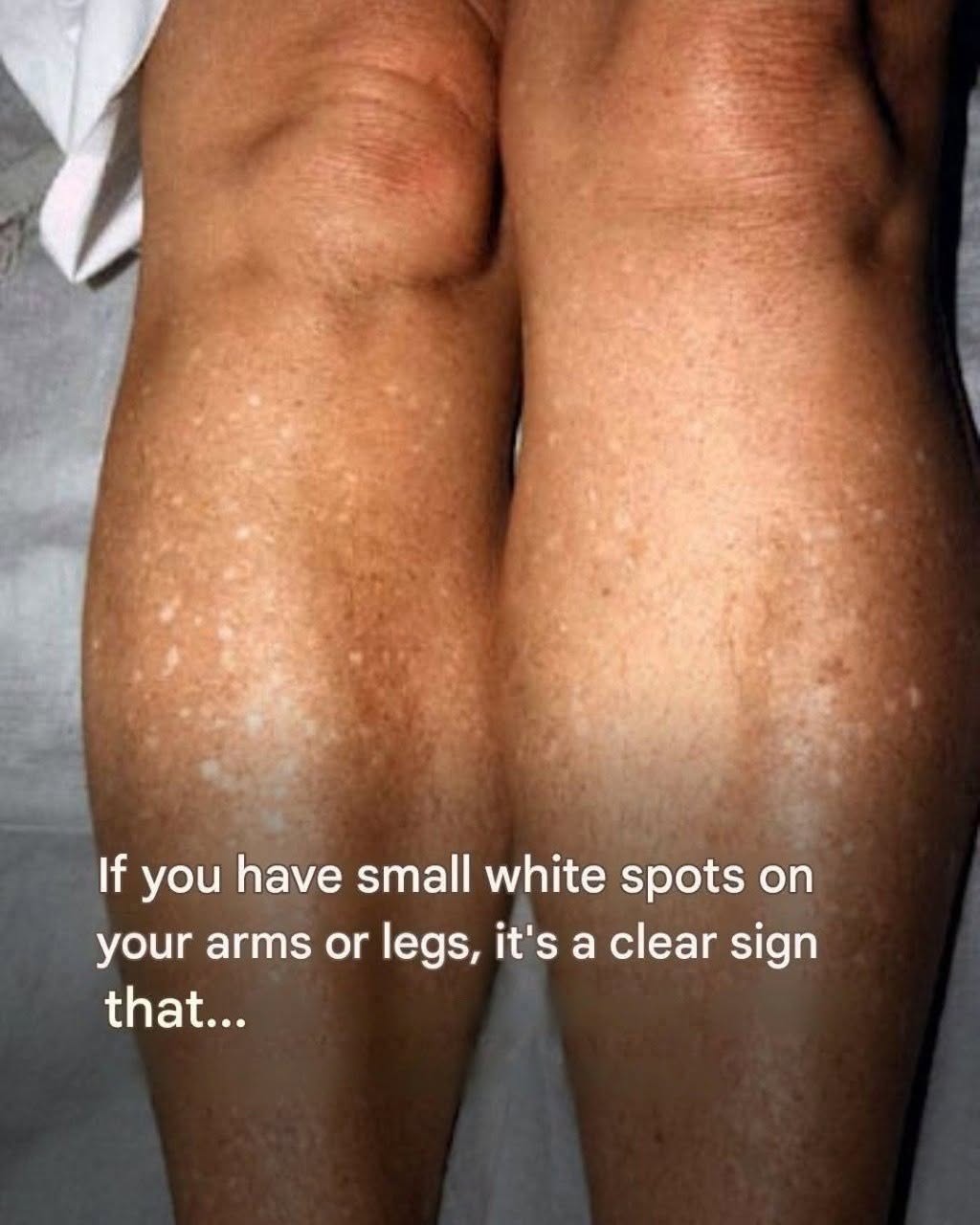
Why Do I Get White Spots on My Skin in the Summer, and How Can I Treat Them? A Dermatologist Answers
If you notice small white or lighter-colored spots appearing on your skin during the summer, you may immediately wonder whether they are caused by the sun, dry skin, or something more serious. These spots can become especially noticeable after tanning because the surrounding skin becomes darker while the affected areas remain lighter.
The good news is that many causes of light-colored spots are harmless and treatable. One of the most common is tinea versicolor, a skin condition associated with an overgrowth of yeast that normally lives on the skin. However, it is important not to assume that every white spot is a fungal infection.
Why Do White Spots Become More Noticeable in Summer?
Summer creates several conditions that can encourage certain skin problems. Hot and humid weather, increased sweating,
and oily skin can allow the yeast associated with tinea versicolor to multiply more easily.
The condition can produce lighter or darker patches on the skin. They may appear on the chest, back, shoulders, neck, or other areas of the body. Some people notice a fine, dry scale or mild itching, while others have no symptoms at all.
Interestingly, the spots may seem to “appear” after a vacation or time outdoors even when the condition was already present. That’s because the surrounding healthy skin tans, increasing the contrast between normal and affected areas.
Tinea Versicolor: A Common Explanation
Tinea versicolor is caused by an overgrowth of Malassezia, a type of yeast that normally lives on everyone’s skin. It is particularly common in tropical and subtropical climates and tends to become more noticeable during warm, humid periods.
The patches can look quite different from one person to another. They may be
white, pink, tan, brown, or lighter than the surrounding skin. In some cases, several small spots gradually grow together and form larger patches.
Although the condition can be frustrating cosmetically, it is generally not harmful and is not considered contagious.

But White Spots Can Have Other Causes
Not every pale patch is tinea versicolor. Several other skin conditions can produce areas that look lighter than the surrounding skin.
Pityriasis alba, for example, can cause lighter patches, often in people with dry or eczema-prone skin. Moisturizing and protecting the affected skin from the sun may help while the skin gradually returns to its normal color.
Another possibility is vitiligo. Unlike tinea versicolor, vitiligo is an autoimmune condition in which pigment-producing cells are destroyed or stop functioning properly. It can produce clearly defined areas of depigmented skin and may affect the hands, face, areas around body openings, or other parts
of the body.
This is one reason why diagnosing the cause correctly matters. A dermatologist may be able to identify tinea versicolor simply by examining the skin, but if the diagnosis is uncertain, additional examination such as a skin scraping or Wood’s lamp examination may be used.
How Are White Spots Treated?
Treatment depends entirely on the cause.
If a dermatologist confirms tinea versicolor, treatment generally involves antifungal medication applied to the skin. Depending on the extent and severity, doctors may recommend antifungal creams, lotions, shampoos, or medicated cleansers. In more extensive or recurrent cases, prescription antifungal tablets may sometimes be necessary.
For mild cases, dermatologists may recommend products containing ingredients such as selenium sulfide or certain topical antifungal medications. However, it is better to confirm the diagnosis before repeatedly treating unexplained white patches as a fungal infection.
One detail often surprises people: the yeast can disappear before the skin
color returns to normal. Even after successful treatment, lighter or darker areas may remain visible for several weeks or months while the skin gradually regains its normal pigmentation.
Does Sun Exposure Make It Worse?
Sun exposure does not necessarily cause tinea versicolor, but tanning can make the discoloration much easier to see. The affected areas may not tan normally, creating a stronger contrast with the surrounding skin.
For this reason, dermatologists recommend protecting the skin from excessive UV exposure and avoiding tanning beds. A broad-spectrum sunscreen with an SPF of 30 or higher can help protect the skin and reduce the contrast between different areas.
When Should You See a Dermatologist?
You should consider seeing a dermatologist if the spots continue to spread, new areas keep appearing, the patches become completely white or sharply defined, or you are unsure what is causing them.
Medical evaluation is particularly important when changes
in skin color are persistent or progressively spreading. Conditions such as vitiligo require a different approach from fungal infections, so treating the wrong condition on your own may delay appropriate care.

The Bottom Line
White spots that become noticeable during summer are often caused by harmless conditions, and tinea versicolor is one common possibility, particularly when the spots appear on the chest, back, shoulders, or neck and become more visible after tanning.
But there is no single explanation for every white patch. Dry skin conditions, pigment disorders, and vitiligo can look similar at first glance.
If you notice persistent or spreading white patches, the safest approach is to have them properly examined rather than assuming they are caused by the sun or a fungal infection. Once the cause is identified, the appropriate treatment is usually much easier to choose.
This article is intended for general educational purposes and does not