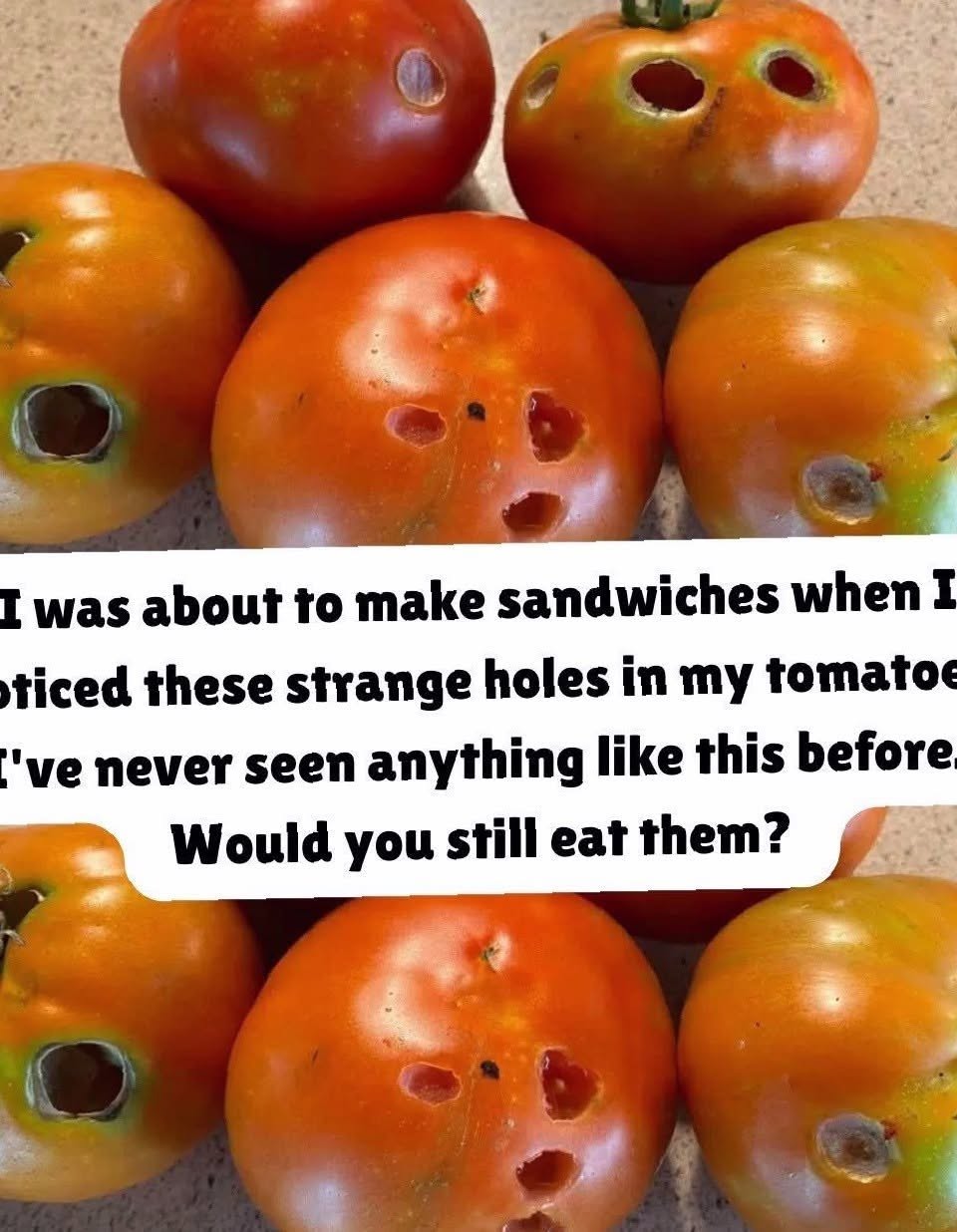
Discovering a perfectly plump and juicy tomato only to find an unexpected hole can be a jarring experience for any gardener or home cook. While the initial instinct might be to discard the fruit in dismay, these imperfections are actually quite common. Understanding the reasons behind these mysterious openings is not only fascinating but also entirely manageable, especially for those who cultivate their own tomato plants.
Insects: The Most Common Culprits
The presence of a hole usually indicates that a specific creature has made its way into the fruit, and insects are the most frequent offenders. Pests such as tomato fruitworms, hornworms, stink bugs, and various beetles view the garden as a constant buffet.
A hornworm, for instance, can easily chew through foliage and bore directly into the fruit. The most deceptive aspect of insect damage is that the exterior of the tomato might appear nearly flawless until it is sliced open to reveal internal tunnels and hidden rot. Common signs of insect activity include:
- Small, round entry holes on the skin, often near the stem.
- Dark, hollow tunnels running through the flesh when cut open.
- Droppings or a decayed, mushy area surrounding the hole.
-
Wildlife That Feeds on Ripening Tomatoes
Beyond insects, local wildlife often contributes to the problem. Birds and squirrels are frequent visitors to the garden, and their feeding habits leave distinct marks.
Birds are particularly drawn to red, ripening fruit and may peck at the top of the tomato, especially during dry spells when they are seeking moisture. Squirrels, chipmunks, and other rodents, on the other hand, tend to take much larger bites, often leaving half of the fruit entirely consumed. The size and shape of the damage is usually a good clue: shallow pecks point to birds, while big, messy chunks suggest a hungry mammal.
-
When It Isn’t a Creature at All
Sometimes the damage is not caused by a living creature at all. Environmental stress and growing conditions can create openings that look remarkably similar to pest damage.
- Blossom-end rot: A calcium imbalance, usually tied to inconsistent watering, causes a sunken, leathery hole at the bottom of the fruit.
- Growth cracks: A sudden burst of water after a dry period makes the fruit swell faster than the skin can grow, splitting it open and leaving gaps that can later rot.
- Catfacing: Cool weather during flowering can cause puckered scars and cavities, particularly on the blossom end.
-
Should You Eat a Tomato With Holes?
As a general rule, if a tomato shows a hole, tunneling, oozing, mold, or a foul smell, it is safest to throw it away. Once pests or rot have reached the interior, bacteria and fungi can spread quickly through the soft flesh, even into parts that still look fine.
If the blemish is purely cosmetic, such as a small healed growth crack on an otherwise firm, fresh tomato, you can simply cut away the affected area and use the rest. When in doubt, however, err on the side of caution and discard it.
-
How to Prevent Holes in the First Place
A few simple habits can dramatically reduce the number of damaged tomatoes you harvest:
- Inspect plants regularly and hand-pick large pests like hornworms.
- Use lightweight netting or row covers to keep birds and squirrels away from ripening fruit.
- Water deeply and consistently to prevent cracking and blossom-end rot.
- Mulch around the base of plants to keep soil moisture steady.
- Harvest tomatoes as soon as they ripen rather than leaving them on the vine for pests to find.
With a little attention and these preventative steps, you can keep your harvest healthy and enjoy far more flawless, delicious tomatoes all season long.