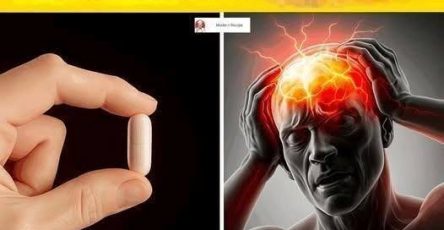
Some medicines can increase the risk of blood clots or other cardiovascular complications in certain people. The level of risk varies considerably depending on the specific medicine, dose, individual health factors, and other medications being taken.
For that reason, medication safety warnings, recalls, and regulatory actions should always be checked against information from an official medicines regulator or the medicine’s manufacturer.
Understanding Blood Clots (Thrombus)
A thrombus is a blood clot that forms within a blood vessel. Blood clotting is an essential process that helps prevent excessive bleeding after an injury. However, an abnormal clot can obstruct normal blood flow and potentially cause serious complications.
Depending on where a clot forms or travels, complications can include:
Deep vein thrombosis (DVT): A clot, usually in a deep vein of the leg.
Pulmonary embolism: A blood clot that travels to the lungs and blocks blood flow.
Stroke: A blockage of blood flow to part of the brain, which can sometimes result from a blood clot.
Heart attack: A blockage of blood flow through a coronary artery, commonly caused by a blood clot forming at the site of a ruptured atherosclerotic plaque.
Some blood clots can be life-threatening and require urgent medical attention. However, the presence of a potential clotting risk does not mean that everyone taking a particular medicine will develop a clot.
The important question is not whether a medicine has ever been associated with clotting, but which medicines carry a documented risk and which patients may be most vulnerable.
Medicines and Cardiovascular Risk
The relationship between medicines and blood clots varies greatly between drug classes. Some medications have well-established associations with thrombotic events, while for others the risk may be uncommon, limited to particular patients, or dependent on specific circumstances.
Examples of medicines or treatment categories that may require consideration of cardiovascular or clotting risks include:
Some hormonal contraceptives: Certain estrogen-containing contraceptives are associated with an increased risk of venous blood clots. The level of risk varies according to the formulation and individual risk factors.
Some anti-inflammatory medicines: Certain nonsteroidal anti-inflammatory drugs (NSAIDs), particularly with higher doses or prolonged use, may be associated with an increased risk of cardiovascular events in some patients.
Some weight-loss medicines and appetite suppressants: Cardiovascular safety depends on the specific active ingredient. Some older weight-loss products have been withdrawn or restricted because of safety concerns.
Some medicines used during infectious diseases: Cardiovascular or clotting complications can occur in certain circumstances, but the risk must be evaluated for the specific medicine and patient rather than applied broadly to an entire treatment category.
It is therefore misleading to suggest that all medicines within any of these categories cause blood clots, heart attacks, or strokes. Medication warnings should always be interpreted according to the specific product and the official safety information applicable to the country where it is prescribed or sold.
The risk is not the same for everyone, so understanding personal risk factors can be just as important as knowing the medicine itself.
The medicine is only one part of the picture; your individual health history can significantly influence how a potential clotting risk should be understood.
Who May Have a Higher Risk?
The risk of thrombosis or cardiovascular complications can be influenced by factors such as age, smoking, obesity, previous blood clots, certain inherited clotting disorders, cardiovascular disease, prolonged immobility, pregnancy, and some other medical conditions.
Taking multiple medicines can also affect overall risk, so patients should tell their healthcare professional about all prescription medicines, over-the-counter products, and supplements they use.
Knowing these risk factors is important, but recognizing the warning signs of a potentially serious event is even more urgent when symptoms appear.
When to Seek Urgent Medical Attention
Symptoms that may indicate a serious blood clot or cardiovascular event require urgent medical evaluation. These can include sudden difficulty breathing, unexplained chest pain, coughing up blood, sudden weakness or numbness on one side of the body, difficulty speaking, sudden vision problems, or severe pain and swelling in one leg.
These symptoms can have causes other than blood clots, but they should not be ignored.
Do Not Stop Prescribed Medication Without Medical Advice
If you are concerned that a medicine may increase your risk of blood clots, do not stop taking it suddenly unless a healthcare professional tells you to do so. Stopping some medications without appropriate medical guidance can itself create serious health risks.
Instead, discuss the medicine with your doctor or pharmacist and ask whether your individual risk factors require a change in treatment.
Before reacting to an alarming recall or safety claim, one crucial step can separate a genuine warning from misinformation: verify the exact medicine involved.
How to Check for a Genuine Drug Recall
Drug recalls and safety warnings can differ between countries and between individual products. A claim that a medicine has been “recalled worldwide” or “banned” should therefore be verified before it is shared or acted upon.
Reliable information can be obtained from the relevant national medicines regulator, the medicine’s official product information, or a licensed healthcare professional.
Before worrying about a particular tablet, identify its exact name and active ingredient—the details can make the difference between a genuine safety warning and a misleading online claim.
Key Takeaways
Some medicines can increase the risk of blood clots or cardiovascular events in particular circumstances.
The risk varies substantially between individual medicines and between patients.
Hormonal contraceptives containing estrogen are one example of medicines for which venous blood-clot risk is an established consideration.
Some NSAIDs can increase cardiovascular risk, particularly in certain patients and with higher doses or prolonged use.
Not every medicine in a particular drug category carries the same risk.
A medication should not be described as dangerous or recalled without confirming the claim through a reliable regulatory source.
Patients should not discontinue prescribed medication solely because of an alarming online article.
Sudden chest pain, severe breathing difficulty, coughing up blood, or symptoms suggestive of a stroke require urgent medical attention.
Knowing the warning signs and checking the facts can help turn a frightening medication claim into an informed conversation with a healthcare professional.
With the key facts in mind, the safest approach is to focus on the specific medication, the evidence behind its risks, and the advice of a qualified healthcare professional.
Conclusion
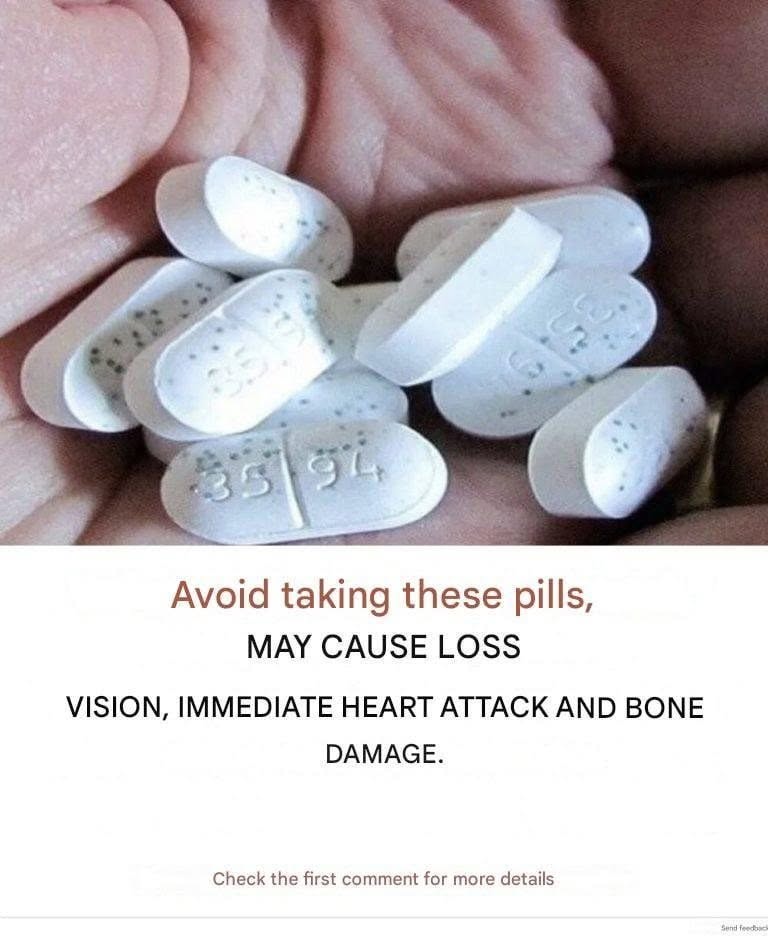
Blood clots, heart attacks, strokes, and pulmonary embolisms are serious medical conditions, and medication-related cardiovascular risks deserve careful attention. However, claims that certain “tablets” broadly cause blood clots or have been recalled should be treated cautiously unless the specific medicine and official safety warning are identified.
The safest approach is to check the exact medication, understand its known risks and benefits, consider individual risk factors, and discuss concerns with a qualified healthcare professional.