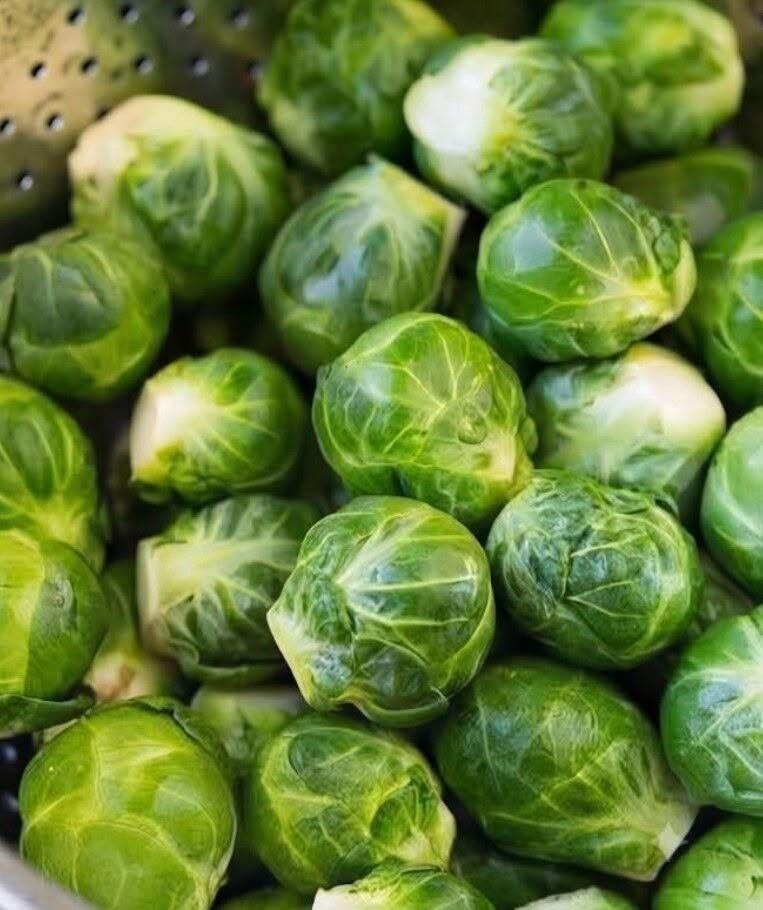
For years, Brussels sprouts seemed to have a permanent place on the list of vegetables people loved to hate.
They were the little green vegetables children pushed around their plates, the side dish adults joked about avoiding, and the food many people remembered as mushy, bitter, watery, and strangely strong-smelling.
But Brussels sprouts have had a serious comeback.
Today, they appear on restaurant menus roasted until their outer leaves are crisp and golden, shaved into fresh salads, sautéed with garlic, tossed with Parmesan, finished with balsamic glaze, and paired with everything from bacon to nuts.
So what changed?
The vegetable didn’t suddenly become different.
The way people cook it changed.
The original recipe article highlights an important point: Brussels sprouts can taste dramatically better when they are cooked quickly at high heat rather than boiled until completely soft.
If your only experience with Brussels sprouts involves a pot of overcooked, watery vegetables, this recipe may completely change your opinion.
Why Did Brussels Sprouts Get Such a Bad Reputation?
Brussels sprouts naturally contain sulfur-containing compounds known as glucosinolates.
These compounds occur naturally in cruciferous vegetables, including Brussels sprouts, broccoli, cabbage, and cauliflower. They contribute to the distinctive aroma and slightly bitter flavor associated with these vegetables.
The problem becomes much more noticeable when Brussels sprouts are overcooked.
Boiling them for too long can leave them soft and watery while intensifying their strong aroma. That combination is probably responsible for many childhood memories of Brussels sprouts being something to avoid at all costs.
In other words, you may not have hated Brussels sprouts themselves.
You may simply have hated what someone did to them.