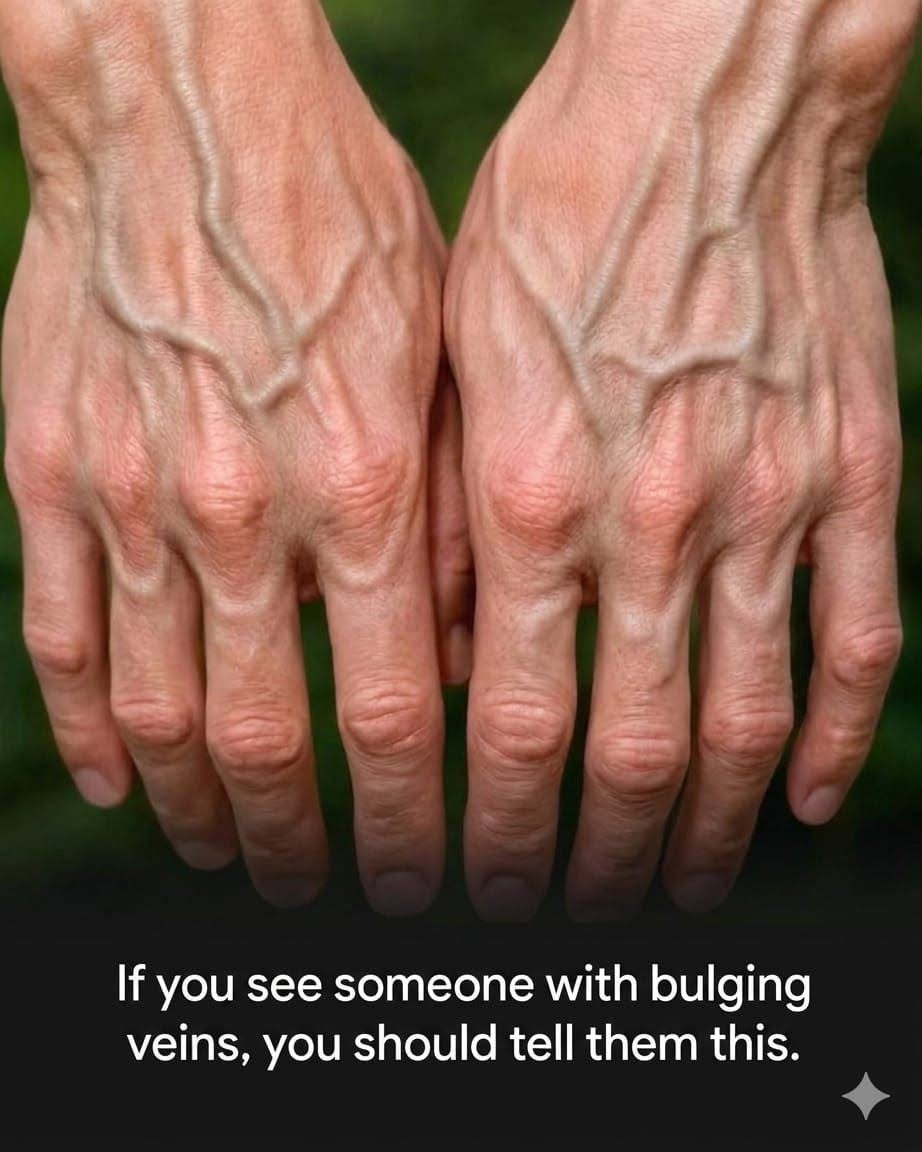
Visible veins are something many people notice at some point in their lives. They may suddenly appear more prominent on the hands, arms, legs, or even the chest, leading many to wonder if something is wrong. In most cases, visible veins are completely normal and are simply the result of natural changes in the body. However, there are situations where they may indicate an underlying health condition that deserves medical attention.
Low Body Fat Makes Veins More Noticeable
One of the most common reasons veins become visible is having a low percentage of body fat. Fat sits between the skin and the veins, so when this layer becomes thinner, the veins naturally appear closer to the surface. This is why athletes, bodybuilders, and naturally lean individuals often have very noticeable veins, especially after exercise.
Exercise Increases Blood Flow
Physical activity temporarily enlarges the blood vessels as muscles require more oxygen and nutrients. During and after a workout, veins often appear larger and more visible because blood circulation increases significantly. This effect is completely normal and usually disappears once the body has recovered.
Aging Changes the Skin
As we grow older, our skin gradually loses collagen and elasticity. It also becomes thinner, making structures beneath the skin easier to see. Because the skin on the hands is already very delicate, veins often become more noticeable with age, even in healthy individuals.
Heat Can Make Veins Stand Out
Warm temperatures cause blood vessels to expand, helping the body release excess heat. For this reason, veins may appear larger after spending time in the sun, taking a hot shower, relaxing in a sauna, or exercising on a hot day. Once body temperature returns to normal, the veins usually become less noticeable.
Genetics Also Play a Role
Some people naturally have more visible veins simply because of their genetics. Skin thickness, vein size, and body composition vary from person to person, meaning prominent veins can run in families without indicating any medical problem.
When Visible Veins May Signal a Problem
Although visible veins are usually harmless, certain symptoms should not be ignored. Seek medical advice if the veins suddenly become swollen, painful, unusually hard, or change color. Other warning signs include persistent burning, redness, warmth, unexplained swelling of a limb, or veins that continue to enlarge over time. These symptoms may be associated with conditions such as varicose veins, inflammation of the veins, or, in rare cases, a blood clot.
Can You Prevent Prominent Veins?
You cannot always prevent visible veins, especially when they are related to genetics or aging. However, maintaining a healthy weight, staying physically active, avoiding prolonged standing or sitting, drinking enough water, and supporting healthy circulation can help keep your veins functioning properly.
The Bottom Line
Visible veins are usually a normal part of the body’s anatomy and often become more noticeable due to exercise, low body fat, aging, warm temperatures, or inherited traits. In most cases, they are nothing to worry about. However, if they appear suddenly along with pain, swelling, redness, or other unusual symptoms, it is important to seek medical evaluation to rule out a more serious circulatory condition.
Understanding why your veins are visible can help you distinguish between normal body changes and signs that deserve professional medical attention. When in doubt, consulting a healthcare provider is always the safest approach