

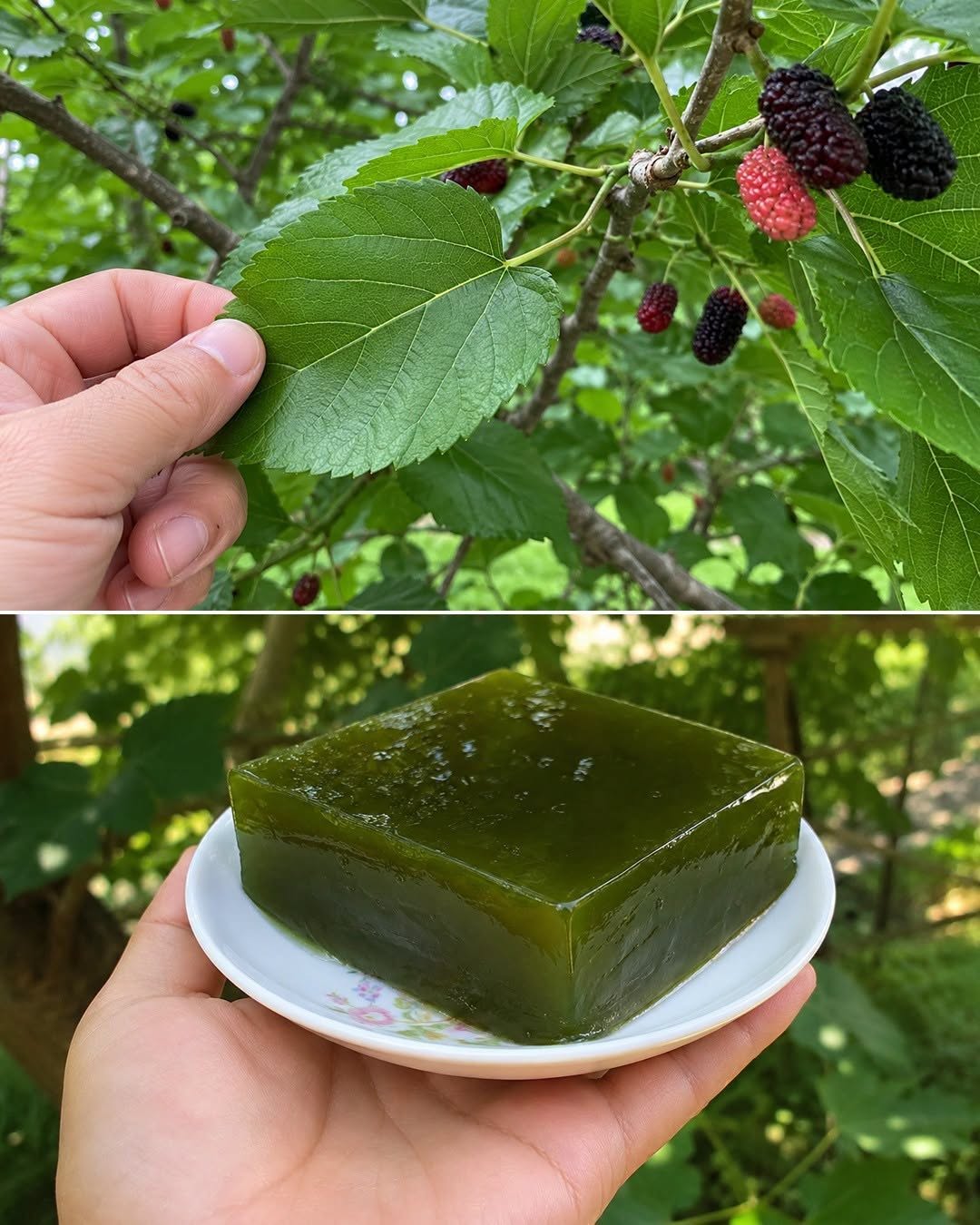
Mulberry trees are widely recognized for their sweet summer berries, but their leaves hold even greater value for natural health. Used for centuries in traditional Asian wellness practices, mulberry leaves are packed with unique plant compounds, vitamins, and minerals that support daily vitality. Modern scientific research confirms that these common leaves are a natural powerhouse with practical uses for everyone.
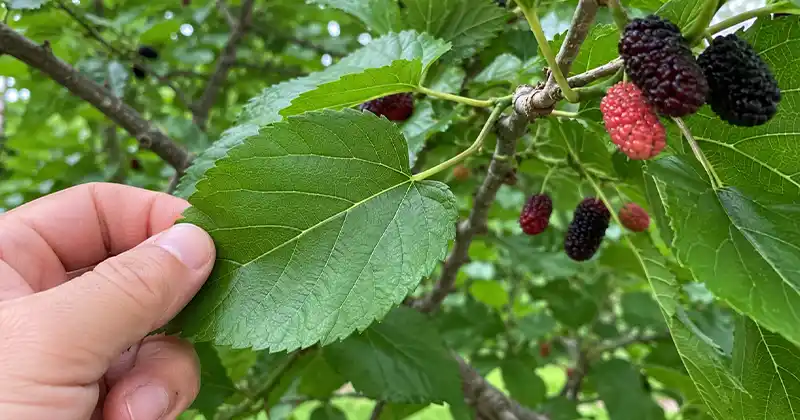
The Key Health Powers of Mulberry Leaves
- Blood Sugar Regulation: Mulberry leaves contain a special natural compound called 1-deoxynojirimycin (DNJ). This compound slows down the breakdown and digestion of carbohydrates in your gut, which helps prevent sharp spikes in blood sugar and insulin after eating meals.
- Heart and Cholesterol Support: Flavonoids and antioxidants in the leaves help lower “bad” LDL cholesterol and triglycerides while supporting healthy “good” HDL cholesterol levels. This promotes smooth blood circulation and long-term cardiovascular health.
- Exceptional Nutritional Value: Mulberry leaves are remarkably nutrient-dense. They contain significant amounts of calcium, iron, zinc, magnesium, and vitamin C, as well as essential amino acids that support overall energy and muscle function.
- High Antioxidant Count: Rich in natural compounds like rutin and quercetin, mulberry leaves help neutralize free radicals in the body. This reduces systemic inflammation, protects your cells from daily damage, and supports skin and tissue repair.
- Digestive System Support: The leaves contain natural soluble fiber and mucilage that help soothe the digestive tract, ease bowel movements, and feed beneficial bacteria in your gut.
- Skin Care Benefits: Applied topically or consumed as part of a regular diet, the anti-inflammatory and antibacterial properties of the leaves help calm skin redness, soothe acne, and fade dark spots over time.
Simple Ways to Use Mulberry Leaves at Home
You do not need expensive equipment or complex steps to take advantage of mulberry leaves. Here are five easy ways to prepare and consume them in your own kitchen:
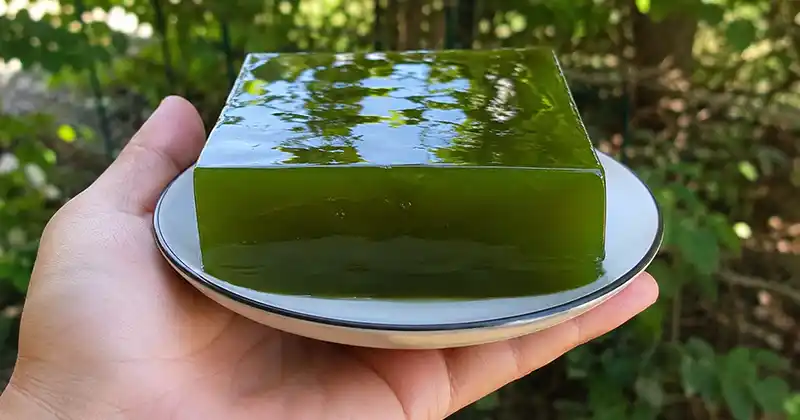
- Fresh or Dried Mulberry Leaf Tea
- Primary benefit: Blood sugar balance and daily hydration.
- How to make it: Place 1 to 2 teaspoons of dried leaves (or 4 to 5 clean fresh leaves) into a mug. Pour hot water over them and let it steep for 8 to 10 minutes. Strain the liquid and drink it plain, ideally right before or during a meal rich in carbohydrates.
- Homemade Mulberry Leaf Powder
- Primary benefit: Quick nutritional boost for meals and drinks.
- How to make it: Wash fresh leaves and dry them completely using a food dehydrator, or lay them out in a warm, dry room for several days. Grind the crisp leaves into a fine powder using a spice grinder or high-speed blender. Stir half a teaspoon of this powder into morning smoothies, oatmeal, yogurt, or soups.