

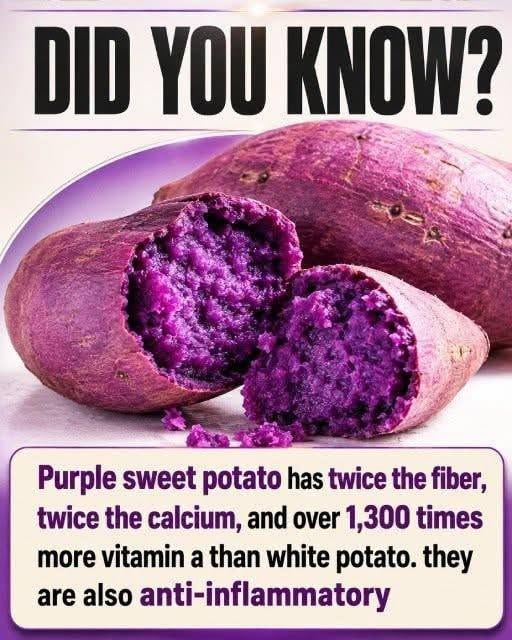
Purple sweet potatoes are colorful root vegetables that provide complex carbohydrates, dietary fiber, vitamins, minerals, and naturally occurring plant pigments called anthocyanins. These pigments give the flesh its distinctive purple color and act as antioxidants.
Research has explored whether purple sweet potatoes may support cardiovascular health, digestion, blood-sugar management, and protection against oxidative stress. Although laboratory and animal studies are promising, many proposed therapeutic benefits have not yet been confirmed in large human clinical trials.
Purple sweet potatoes should therefore be viewed as a nutritious food rather than a treatment for disease. They can be included in a balanced diet by baking, roasting, steaming, boiling, or mashing them.
What Is a Purple Sweet Potato?
Purple sweet potatoes belong to the species Ipomoea batatas, the same species as orange, white, and yellow sweet potatoes. Their purple color comes primarily from anthocyanins, a family of pigments also found in blueberries, blackberries, purple cabbage, cherries, and black rice.
Several varieties are available, including Okinawan, Stokes Purple, and Japanese cultivars such as Ayamurasaki. Their skin and flesh colors differ according to the variety. Some have pale skin and deep purple flesh, while others have purple skin as well.
Purple sweet potatoes are sometimes confused with purple yams or ube. Ube belongs to the species Dioscorea alata and is a true yam, while purple sweet potatoes belong to the morning-glory family. Although they can sometimes be used in similar recipes, they are botanically different and may vary in flavor, texture, and nutritional composition.
Purple Sweet Potato Nutrition
The exact nutritional content depends on the variety, portion size, growing conditions, and cooking method. In general, purple sweet potatoes provide:
- Complex carbohydrates
- Dietary fiber
- Potassium
- Vitamin C
- Vitamin B6
- Manganese
- Small amounts of several other vitamins and minerals
- Anthocyanins and other polyphenols
Unlike many orange sweet potatoes, purple varieties may not contain equally high amounts of beta-carotene. The specific nutritional profile varies, so it is useful to eat sweet potatoes of several colors rather than assuming one variety provides every benefit.
Purple Sweet Potatoes Are Rich in Anthocyanins
Anthocyanins are water-soluble pigments responsible for red, blue, and purple colors in many plants. They help protect plants against environmental stress and may also provide antioxidant activity when consumed as part of the human diet.
Laboratory tests show that purple sweet potato extracts can neutralize free radicals under experimental conditions. However, antioxidant activity measured in a laboratory does not translate directly into a specific level of protection inside the human body.
Digestion, metabolism, absorption, portion size, and food preparation all influence how these compounds behave after they are consumed. Purple sweet potatoes can contribute to an antioxidant-rich diet, but comparisons claiming they are several times “better” than blueberries or another food should be interpreted cautiously because testing methods and serving sizes differ.
They Can Contribute to a High-Fiber Diet
Purple sweet potatoes contain dietary fiber, especially when eaten with their edible skin. Fiber supports normal bowel function, adds bulk to stool, and can contribute to a feeling of fullness after a meal.
Fiber also provides nourishment for certain beneficial intestinal microorganisms. As gut bacteria ferment some types of fiber, they produce compounds such as short-chain fatty acids that help support the intestinal environment.
The amount of fiber in one serving is not enough to meet an entire day’s needs. For greater dietary variety, combine purple sweet potatoes with vegetables, fruit, beans, lentils, whole grains, nuts, and seeds.
They May Support Digestive Health
Research has investigated how purple sweet potato anthocyanins and carbohydrates interact with intestinal bacteria. Some laboratory and animal findings suggest they may encourage favorable changes in the gut microbiome.
Human evidence remains limited, so purple sweet potatoes should not be described as a proven probiotic treatment. They are a source of fiber and plant compounds that can form part of a gut-friendly diet.
People with digestive disorders may respond differently. A large portion can cause gas, bloating, or discomfort in some individuals, particularly when fiber intake increases suddenly.
Those with gastroparesis or another condition requiring a modified-fiber diet should follow individualized medical advice. A food that is comfortable for one person may aggravate symptoms in another.
Purple Sweet Potatoes May Help With Fullness
The combination of water, fiber, and complex carbohydrates can make purple sweet potatoes satisfying. Including them in a balanced meal may help a person remain full longer than a meal based mainly on refined carbohydrates.
This does not mean purple sweet potatoes automatically cause weight loss. Body weight is influenced by total calorie intake, activity, sleep, medications, health conditions, stress, and many other factors.
Preparation also matters. A baked purple sweet potato served with vegetables and a protein source differs substantially from a dessert containing large amounts of sugar, cream, butter, or sweetened condensed milk.
Can Purple Sweet Potatoes Help With Weight Management?
Animal studies have examined concentrated purple sweet potato extracts and reported possible effects on fat metabolism and weight gain. These results are interesting but cannot be assumed to produce the same effect in humans eating ordinary servings.
For weight management, purple sweet potatoes are most useful as a filling carbohydrate source within an appropriate eating plan. Portion size and toppings should reflect a person’s energy needs.
Combining them with protein and non-starchy vegetables can create a more balanced meal. Examples include purple sweet potato with fish and broccoli, a vegetable-and-bean bowl, or an egg served with roasted sweet potato and salad.
Potential Benefits for Blood Pressure
Purple sweet potatoes contain potassium, fiber, and polyphenols, all of which may contribute to a cardiovascular-friendly dietary pattern. Potassium helps balance the effects of sodium and is involved in normal blood-vessel and muscle function.
Small human studies have investigated purple sweet potato products and reported modest changes in blood pressure. However, these findings are not sufficient to use purple sweet potatoes as a treatment for hypertension.
People with high blood pressure should continue prescribed medication and follow professional advice. Effective management may include reducing excess sodium, exercising, maintaining a suitable weight, limiting alcohol, avoiding tobacco, and eating a varied diet rich in plants.
People with kidney disease or those taking medications that raise potassium levels may need to limit potassium-rich foods. They should consult a healthcare professional before substantially increasing their intake.
The pigments responsible for the striking purple color have attracted considerable scientific interest, but some of the strongest health claims come from experimental studies rather than direct evidence in people.
Purple Sweet Potatoes and Blood-Sugar Management
Sweet potatoes contain carbohydrates and will raise blood glucose after consumption. Purple sweet potatoes are not carbohydrate-free, and they should not be promoted as a natural treatment for diabetes.
The effect on blood sugar depends on the variety, preparation method, cooking time, portion size, and foods eaten alongside them. Mashing or baking until very soft may make starch easier to digest, while a moderate portion combined with protein, fat, and fiber may produce a more gradual response.
Some laboratory and animal studies have found that purple sweet potato anthocyanins or extracts may influence glucose metabolism. Evidence from these studies does not establish that ordinary servings will lower blood sugar in people with diabetes.
People with diabetes can often include purple sweet potatoes in an individualized meal plan, but portion size remains important. Monitoring glucose responses can help determine how a particular serving affects the individual.
Are Purple Sweet Potatoes Low on the Glycemic Index?
Sweet potatoes are sometimes described broadly as low-glycemic foods, but their glycemic index can vary considerably. Variety, cooking method, processing, and texture all influence how quickly their carbohydrates are digested.
Boiled sweet potatoes may sometimes produce a lower glucose response than heavily baked, mashed, or processed versions. Glycemic index is also not the only factor that matters. The total amount of available carbohydrate in the serving is equally important.
A person managing diabetes should avoid assuming that the word “sweet potato” automatically means unlimited portions are safe. A registered dietitian or diabetes educator can help fit them into an appropriate carbohydrate plan.
Potential Cardiovascular Benefits
Anthocyanin-rich dietary patterns have been associated with certain markers of cardiovascular health. Purple sweet potatoes can contribute anthocyanins, potassium, fiber, and other plant compounds to such a diet.
Most evidence supports eating a wide range of plant foods rather than depending on one particular vegetable. Purple sweet potatoes may complement a diet that also contains leafy greens, beans, fruit, whole grains, nuts, seeds, and unsaturated fats.
They cannot compensate for smoking, uncontrolled blood pressure, high LDL cholesterol, physical inactivity, or an eating pattern dominated by heavily processed foods.
Possible Effects on Inflammation
Oxidative stress and chronic inflammation are involved in numerous health conditions. Laboratory studies indicate that anthocyanins from purple sweet potatoes can influence certain inflammatory pathways.
Animal studies have also reported changes in inflammatory markers after the use of concentrated extracts. Although these findings help researchers understand possible mechanisms, they do not prove that eating purple sweet potatoes will treat arthritis, inflammatory bowel disease, or another inflammatory condition.
A broader anti-inflammatory eating pattern generally emphasizes vegetables, fruit, legumes, whole grains, fish, nuts, seeds, and unsaturated fats while limiting highly processed foods.
Potential Effects on Brain Health
Researchers have examined whether anthocyanins might help protect nerve cells from oxidative stress and inflammation. Some animal studies involving purple sweet potato extracts have reported effects on memory-related tasks or recovery after experimentally induced neurological injury.
These studies do not establish that purple sweet potatoes improve memory, reverse cognitive decline, or help the human brain recover after a stroke. Stroke requires emergency medical treatment, and food cannot replace rehabilitation or prescribed medication.
Purple sweet potatoes can still be included in a brain-supportive diet. Other important habits include regular physical activity, sufficient sleep, social engagement, blood-pressure management, avoiding tobacco, and controlling diabetes and high cholesterol.
Possible Liver-Protective Properties
Laboratory and animal research has explored the effects of purple sweet potato anthocyanins on oxidative stress, inflammation, and experimentally induced liver damage. Some studies have produced promising findings.
Human evidence remains insufficient to claim that purple sweet potatoes prevent liver fibrosis, reverse liver damage, or treat fatty liver disease. Concentrated extracts used in experiments may also differ considerably from the amounts obtained from food.
Protecting liver health requires addressing the underlying cause of disease. This may include limiting alcohol, managing body weight, controlling diabetes, receiving treatment for viral hepatitis, and avoiding unnecessary supplements or medications that can injure the liver.
Purple Sweet Potato Leaves
In some cultures, tender sweet potato leaves are cooked and eaten as vegetables. They contain fiber, vitamins, minerals, and polyphenols, although their nutritional composition differs from that of the root.
Small studies have investigated their potential effects on antioxidant and inflammatory markers, but more research is needed. Only leaves known to come from edible sweet potato plants should be consumed.
Sweet potato leaves should not be confused with the foliage of ordinary white potatoes, which belong to a different plant species and contain potentially harmful glycoalkaloids.
Claims About Uric Acid and Gout
Animal studies have examined purple sweet potato extracts for their possible influence on enzymes involved in uric-acid production. These early findings do not demonstrate that eating purple sweet potatoes prevents or treats gout in humans.
Gout is caused by the formation of urate crystals in and around joints. Treatment may include medication, hydration, weight management, limiting alcohol, and dietary changes based on an individual’s health and risk factors.
Anyone experiencing sudden severe joint pain, swelling, redness, or warmth should seek medical evaluation. Purple sweet potatoes should not replace prescribed gout medication.
Do Purple Sweet Potatoes Slow Aging?
Antioxidants help protect cells from oxidative damage, which is one factor involved in aging. Animal studies using purple sweet potato extracts have investigated markers related to oxidative stress and lifespan.
It is an exaggeration to conclude that eating purple sweet potatoes will visibly slow aging or extend human life. Aging is influenced by genetics, sun exposure, smoking, sleep, physical activity, chronic disease, and overall nutrition.
Purple sweet potatoes can contribute nutrients and variety to a healthy diet, but no individual food can stop the aging process.
Do Purple Sweet Potatoes Prevent Cancer?
Laboratory studies have exposed cancer cells to concentrated purple sweet potato compounds and observed changes in cell growth, signaling, or survival. Animal studies have also explored possible effects on tumor development.
Laboratory activity does not mean that eating the food will prevent, shrink, or cure cancer in humans. Concentrations applied directly to cells may be impossible to achieve through normal dietary intake.
A diet rich in varied vegetables, fruit, legumes, and whole grains is associated with general health and may help reduce the risk of certain cancers. Purple sweet potatoes can be one component of that pattern, but they are not an anticancer treatment.
People undergoing cancer treatment should discuss dietary changes and supplements with their medical team. Concentrated extracts may behave differently from the whole food and can potentially interact with treatment.
Fresh Purple Sweet Potatoes Versus Supplements
Whole purple sweet potatoes provide carbohydrates, fiber, water, and micronutrients together in a familiar food. Powders, capsules, juices, and concentrated extracts may contain different amounts of anthocyanins and may not provide the same nutritional profile.
Supplement quality and concentration can vary, and products may not have been tested as thoroughly as medicines. More is not always better, particularly for people who are pregnant, taking medication, or living with kidney or liver disease.
For most people, eating the whole vegetable is a more practical approach than relying on concentrated supplements for unproven benefits.
Understanding the evidence helps put the health claims in perspective; the next step is learning how cooking and storage can preserve flavor, texture, and as much of the purple pigment as possible.
Does Cooking Destroy the Anthocyanins?
Anthocyanins are sensitive to temperature, cooking time, water, oxygen, and acidity. Some losses can occur during any cooking process, especially when the vegetable is cut into small pieces and boiled in a large amount of water.
However, cooked purple sweet potatoes can still provide useful nutrients and anthocyanins. Cooking also softens the texture, improves palatability, and makes the starch easier to digest.
Research comparing preparation methods has produced varying results depending on the cultivar and testing technique. It is therefore too simplistic to say that one method always preserves every nutrient best.
Baking or roasting can avoid losses into cooking water. Steaming uses little water and is another practical option. When boiling, using the cooking liquid in a soup can retain compounds that have leached from the potato.
How to Select Purple Sweet Potatoes
Choose firm roots that feel heavy for their size. The skin should be relatively smooth and free from extensive soft spots, mold, deep cuts, or leaking areas.
Irregular shape and superficial marks do not necessarily indicate poor quality. Avoid roots with a strong unpleasant odor or large areas of decay.
Color varies by variety, so the skin does not always reveal how purple the interior will be.
How to Store Them
Keep uncooked purple sweet potatoes in a cool, dark, dry, and well-ventilated location. Do not seal them in an airtight plastic bag, as trapped moisture can encourage spoilage.
Avoid storing raw sweet potatoes in very cold conditions unless necessary. Refrigeration can alter their texture and flavor. Storage recommendations may vary according to climate and variety.
Cooked purple sweet potatoes should be refrigerated promptly in a covered container and eaten within a safe period. Discard them if they develop mold, an unusual odor, slime, or other signs of spoilage.
Should You Eat the Skin?
The skin is edible and contributes additional fiber. Scrub the potato thoroughly under clean running water to remove soil before cooking.
Do not wash vegetables with dish soap, bleach, or household cleaning products. Plain running water and gentle scrubbing are generally sufficient.
Remove damaged, moldy, or badly bruised areas. If the skin is extremely tough or the recipe requires a smoother texture, it can be peeled.
Who May Need to Be Careful?
Purple sweet potatoes are safe for most people when eaten as food, but individual circumstances matter.
People with diabetes should account for the carbohydrate content and monitor portion size.
People with kidney disease may need to control potassium intake.
Those following a low-fiber diet may require smaller portions or peeled potatoes.
People prone to calcium-oxalate kidney stones may need personalized guidance about high-oxalate foods and total dietary patterns.
Anyone with a confirmed sweet potato allergy should avoid them.
If dietary restrictions have been prescribed for a medical condition, consult a healthcare professional before making a substantial change.
Easy Baked Purple Sweet Potato
This simple method produces a soft interior and allows the natural flavor of the purple sweet potato to remain prominent.
Ingredients
2 medium purple sweet potatoes
1 to 2 teaspoons olive oil, optional
A small pinch of salt
Black pepper or herbs to taste
Instructions
Preheat the oven to 400°F or 200°C.
Wash and scrub the sweet potatoes thoroughly, then dry them.
Pierce each potato several times with a fork to allow steam to escape.
Place them on a lined baking sheet.
Bake for approximately 40 to 60 minutes, depending on size.
Check doneness by inserting a knife into the thickest part. It should slide in easily.
Allow the potatoes to cool briefly before opening.
Add a small amount of olive oil, herbs, or another preferred topping.
Serve the baked potato with a protein source and vegetables for a balanced meal. Suitable additions include beans, lentils, eggs, fish, chicken, tofu, yogurt, or a fresh salad.
Hasselback-Style Purple Sweet Potatoes
Ingredients
2 medium purple sweet potatoes
1 tablespoon olive oil
Garlic powder or minced garlic
Dried herbs
Salt and pepper to taste
Instructions
Preheat the oven to 400°F or 200°C.
Wash and dry the sweet potatoes.
Place two wooden spoon handles or chopsticks alongside each potato to prevent cutting completely through it.
Make thin slices across the potato, leaving the base intact.
Brush the potatoes lightly with olive oil.
Season with garlic, herbs, salt, and pepper.
Bake for 45 to 60 minutes or until the center is tender and the edges are lightly crisp.
Brush with a little additional oil during the final minutes if necessary.
Creamy Purple Sweet Potato Soup
Ingredients
1 tablespoon olive oil
1 medium onion, chopped
2 or 3 garlic cloves, minced
4 medium purple sweet potatoes, peeled and chopped
4 cups low-sodium vegetable or chicken broth
Salt and black pepper to taste
Fresh herbs for serving
Plain yogurt or crème fraîche, optional
Instructions
Heat the olive oil in a large pot over medium heat.
Add the onion and cook until softened.
Add the garlic and cook briefly without allowing it to burn.
Add the chopped purple sweet potatoes and broth.
Bring to a gentle boil, then reduce the heat and simmer until the potatoes are tender.
Blend the soup carefully until smooth, using an immersion blender or countertop blender.
If using a countertop blender, work in small batches and allow steam to escape safely.
Add more broth if a thinner consistency is desired.
Season to taste and serve with herbs and an optional spoonful of plain yogurt.
For additional protein and fiber, blend in cooked white beans or red lentils. Coconut milk can be used for a different flavor, although it will increase the calorie and saturated-fat content.
Mashed Purple Sweet Potatoes
Ingredients
3 medium purple sweet potatoes
1 tablespoon olive oil or butter
A small amount of milk, unsweetened plant-based drink, or cooking water
Salt and pepper to taste
Instructions
Wash and peel the sweet potatoes if desired.
Cut them into similarly sized pieces.
Steam for approximately 15 to 20 minutes or boil gently until tender.
Drain thoroughly if they were boiled.
Add the olive oil or butter and a small amount of liquid.
Mash until the desired consistency is reached.
Season lightly and serve warm.
Avoid adding too much liquid at once because purple sweet potatoes can become overly soft. Add it gradually while mashing.
Roasted Purple Sweet Potato and Chickpea Bowl
Ingredients
2 medium purple sweet potatoes, cut into cubes
1 can chickpeas, drained and rinsed
1 tablespoon olive oil
1 teaspoon paprika
½ teaspoon ground cumin
Mixed leafy greens
Chopped cucumber and tomato
Lemon juice or a light dressing
Instructions
Preheat the oven to 425°F or 220°C.
Toss the sweet potato cubes and chickpeas with olive oil and seasonings.
Spread them in a single layer on a baking sheet.
Roast for 25 to 35 minutes, turning once, until the potatoes are tender.
Place the leafy greens, cucumber, and tomato in serving bowls.
Add the roasted sweet potato and chickpeas.
Finish with lemon juice or a modest amount of dressing.
This recipe combines carbohydrates with plant protein, fiber, and vegetables, making it more balanced than eating the sweet potato by itself.
Purple Sweet Potato Breakfast Bowl
Ingredients
½ to 1 cup cooked mashed purple sweet potato
Plain yogurt or an unsweetened plant-based alternative
A small handful of berries
1 tablespoon chopped nuts or seeds
Cinnamon to taste
Instructions
Warm the mashed sweet potato if desired.
Place it in a bowl and add the yogurt.
Top with berries, nuts or seeds, and cinnamon.
Serve without added sugar or add only a small amount if needed.
Frequently Asked Questions
Are Purple Sweet Potatoes Healthier Than Orange Sweet Potatoes?
Neither variety is universally healthier. Purple sweet potatoes are notable for anthocyanins, while orange varieties are often especially rich in beta-carotene. Eating several colors provides a wider range of plant compounds.
Can People With Diabetes Eat Purple Sweet Potatoes?
Many people with diabetes can include them in controlled portions, but they still contain carbohydrates. Preparation method, serving size, medication, and the rest of the meal influence blood-glucose response.
Are Purple Sweet Potatoes Good for Weight Loss?
They can be a filling, fiber-containing food within a calorie-appropriate eating plan. They do not directly burn fat or guarantee weight loss.
Can You Eat Purple Sweet Potatoes Every Day?
Many healthy people can eat them regularly, but dietary variety is preferable. Rotate them with other vegetables, whole grains, legumes, and carbohydrate sources to obtain a broader range of nutrients.
Is Boiling or Baking Better?
Both methods are acceptable. Baking avoids losing water-soluble compounds into cooking water, while boiling may create a softer texture and can affect the blood-glucose response differently. Steaming and roasting are also useful options.
Do Purple Sweet Potatoes Cure High Blood Pressure or Diabetes?
No. They provide valuable nutrients and may support a healthy dietary pattern, but they cannot replace medication, medical monitoring, or individualized treatment.
Can Purple Sweet Potatoes Prevent Cancer?
No food has been proven to prevent every cancer. Laboratory findings involving concentrated anthocyanins should not be interpreted as evidence that purple sweet potatoes cure or prevent cancer in humans.
The Bottom Line
Purple sweet potatoes are nutritious root vegetables that provide fiber, complex carbohydrates, potassium, vitamin C, and anthocyanins. They can add color, flavor, and nutritional variety to meals.
Research suggests that their plant compounds deserve continued study, particularly in relation to oxidative stress, cardiovascular health, glucose metabolism, and the gut microbiome. However, many of the strongest claims are based on laboratory experiments, animal research, or small human trials.
Enjoy purple sweet potatoes as food rather than medicine. Bake, steam, roast, or mash them and combine them with vegetables, protein, and healthy fats for a satisfying meal.
Disclaimer
This article is intended for general educational purposes and does not replace medical or nutritional advice. Consult a qualified healthcare professional or registered dietitian if you have diabetes, kidney disease, digestive problems, a history of kidney stones, food allergies, or another condition requiring individualized dietary guidance.